
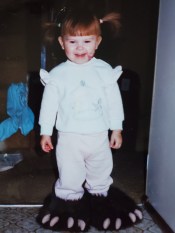
 You’ve heard the saying “The apple doesn’t fall far from the tree”. Children learn from the significant people around them. As parents the words we choose and the words we use really do matter. A child’s mind is like a blank sheet of paper ready to be written or painted on. The innocence of youth is precious and pliable like a newly opened container of playdough ready to be molded.
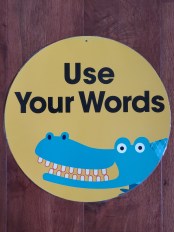
Amidst the collective consciousness reboot we are currently all living through in society a productive reminder that communication skills are an integral part of any learning environment is truly relevant. It is the primary method by which children acquire the beliefs, norms and knowledge basis of their society. Our words and the way we teach our children at home can help change attitudes one generation at a time.
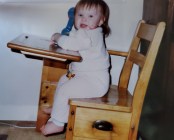
As a parent you are their first and most influential teacher and role model. We all want to believe that we have communicated appropriate views to our children so that they will grow up to be responsible, respectful and productive human beings. What are the messages that you are sending out to your children each day that you communicate with them? Remember the power of your words speaks volumes about the kind of person you are and what you believe in. Teach your children well!

Words become nourishment for young brains and a source of information. They can help a brain to grow and function normally or they can be used as cognitive, emotional or social weapons. At home it is all about your attitude, intent and your own mindset. What do you bring to the table every day when you sit down for a family dinner? Are you serving up healthy verbal food for thought? Are you promoting a shared understanding of social norms, beliefs, ideas and moral attitudes which operate as a unifying force within society? Are you filling up glasses with words of wisdom and encouragement or are you spreading your interpretation of the truth that meets your own standards and beliefs?
Like most people my age I grew up the product of a different era with baggage from prior generations of old views, values and bad habits. The world that I grew up in was different from the one that my parents were raised in and similarly my own children have grown up in a world that keeps evolving with greater inclusivity and a new normal that has emerged on the surface and yet we see that in many situations it still harbors old-fashioned beliefs at its core.
I remember inappropriate vocabulary being used in my own childhood home and my only at school black friend that sat behind me in the third grade. There were the surprised and uncomfortable expressions on some family members as a black minister read our wedding vows. In my early teaching days decades ago there were only one or two black, immigrant or indigenous children amidst a sea of whitebread students in my suburban school. At face value since then we have embraced the notion of multiculturalism in many of our institutions but obviously much of that has been superficial only for some in society.
 As society changed, I have made a conscious choice to try to change with it. As a parent I have tried to maintain a progressive stance and embraced a more equitable and inclusive world. Being a willing lifelong learner is a healthier way to approach life. Not perpetuating the sins of our fathers and mothers so to speak. I have made every attempt that I could to not pass down judgmental and intolerant views to my children. I have tried to educate and counteract exposures to such beliefs and behaviors that my daughters have experienced because I know that prejudice and hate is something that is taught.
As children witness and participate in family conversations, they are acquiring knowledge and absorbing patterns of behavior at the same time. Learning is like that some of it is picked up through direct instruction and modeling and some of it just seems to be digested through osmosis. That is why words can be a source of support and encouragement for children or they can influence and harm them and have a lasting impact.
Your words are one of your most powerful parenting tools. How you choose to use them can have significant consequences for your children. Are your words being helpful to those around you? Are you positive and polite, open and honest, hopeful and empathetic, loving and encouraging? Are you teaching your children to make good choices in this world and stand up for what is right and fair? Or are you causing harm by using slanted, inaccurate, insensitive and inappropriate words with critical or rude tone? That is not constructive communication. What you say and how you say it really does matter.
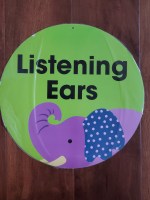
One of my daughters expressed to me many years ago that I had not been listening to her lately and it was bothering her. I never forgot that comment. Now, that is something that I still hear occasionally decades later, and it reminds me that children shouldn’t be the only ones doing the listening and the learning. Communication is the key.
When parents do not lead with integrity, they are not setting a good example for their sons and daughters. I know that there have been times when I have not used my words well, displayed unacceptable behaviors and portrayed negative attitudes around my children. I am not proud of those moments, but it is the tone that you set over time that really affects kids. What I am proud of is the principled adult women that my children have grown up to be. Our words and the way we teach our children at home can help change attitudes one generation at a time.
Thank you for joining me.

Karen Boschee
 Does a child really need a hero? Brave, strong and smart characters abound in children’s make-believe worlds. But, what about the real world? With the COVID19 pandemic that seems like a silly question and an understatement! The recognition of everyday heroes is making the news daily. My husband has become my hero when he volunteers to glove and mask up to go grocery shopping because I am feeling nervous to do it myself!

 These are confusing and stressful times. As families self-isolate at home trying to stay healthy hang in there! You don’t need to wear a big S for super on your chest. Just stay strong in a gentle way. It may be the simple little daily things that show your strength, courage and special skills!

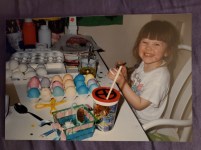
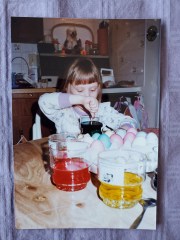 As we get older our need for associations continues but the opportunities to form new and lasting relationships become less. Family ties make life richer and more meaningful. Communicating, supporting and building strong emotional bonds with children when they are young is especially important.
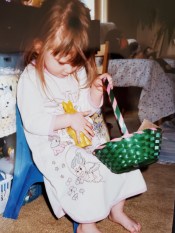 Some friendships may come and go over a lifetime but hopefully your family connections will last and become cherished and dependable friendships.
 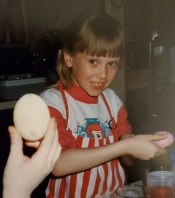 I have discovered that it was the subtle little things I did consistently that may have had the greatest impact and influence. As individuals your children will take separate paths in adulthood. Try to have special times with each child in order to appreciate their uniqueness and create personal memories. Be their biggest fan when the opportunity arises and a faithful companion in the quiet and challenging moments.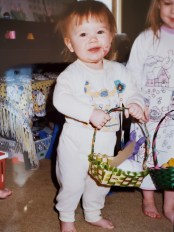
 As I sit alone at the same dinner table writing this blog where we sat together for many years watching TV and doing homework and being a teacher my own school work late into the evening I have been reflecting.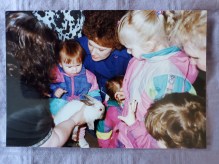
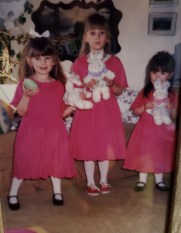 Taking out my Easter and spring decorations this year was like seeing old friends again and it made me feel good.
  I included the scratches on the front door and the stains on the old rabbit’s ear because well used things are usually a sign of something special.
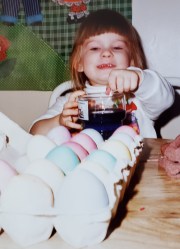


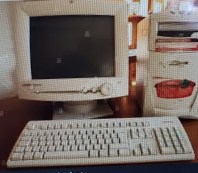




 As I sit quietly at home writing this blog on my much smaller and more portable personalized red laptop during this unprecedented COVID19 crisis I am indeed grateful for the advanced technology and social media we have in 2020.

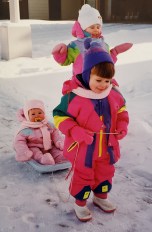

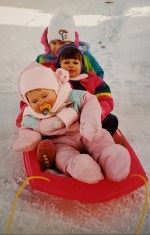 You don’t have to be the perfect parent all the time and you won’t be the perfect parent everyday. Imperfections help build character. Challenges make us all stronger. There will always be things that you can’t stop, can’t control and can’t change in your children’s lives. Being there for your loved ones when they need you is what’s important.
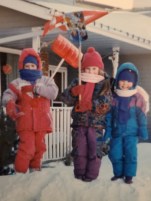 Much older me is telling younger me that the precautions taken, the meticulous plans made and the hoops jumped through to make family life run smoothly may not always be remembered and appreciated. But, people will remember many of those random shared spontaneous moments.
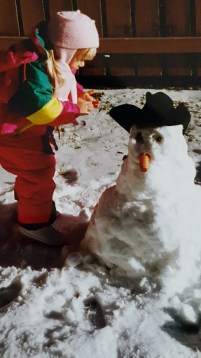
 I recently did that exact thing. I have always loved snow and winter. When I was young I did a lot of ice skating with family and friends.









 Become an untiring ADVOCATE for your child. Early diagnosis and intervention are very important. Parents play a crucial role because professionals rely on their observations and insights when identifying disorders and recommending treatment plans.
 TEACH your child how to identify what they are feeling and how to manage their emotions.


 SHOW your children the benefits and importance of self-care and mindfulness.
  FIND and use the resources, programming and accommodations that are appropriate for your son or daughter if learning problems are contributing to mental health issues.



















 Hindsight is Always 20/20! Parenting tips.