There’s Going To Be Bumps Ahead!

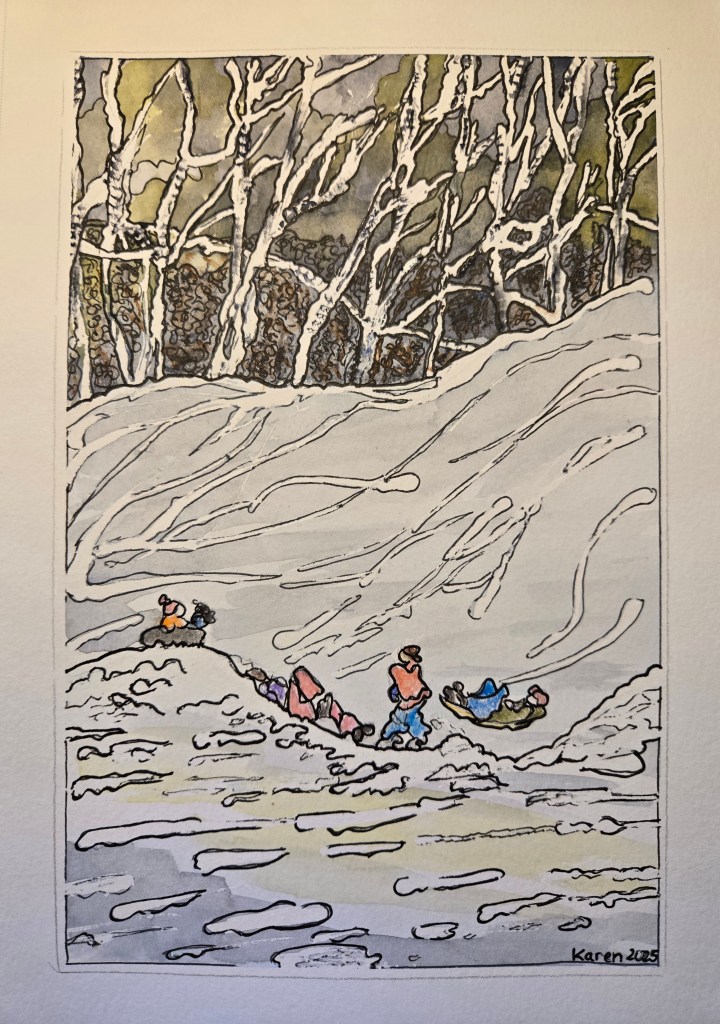
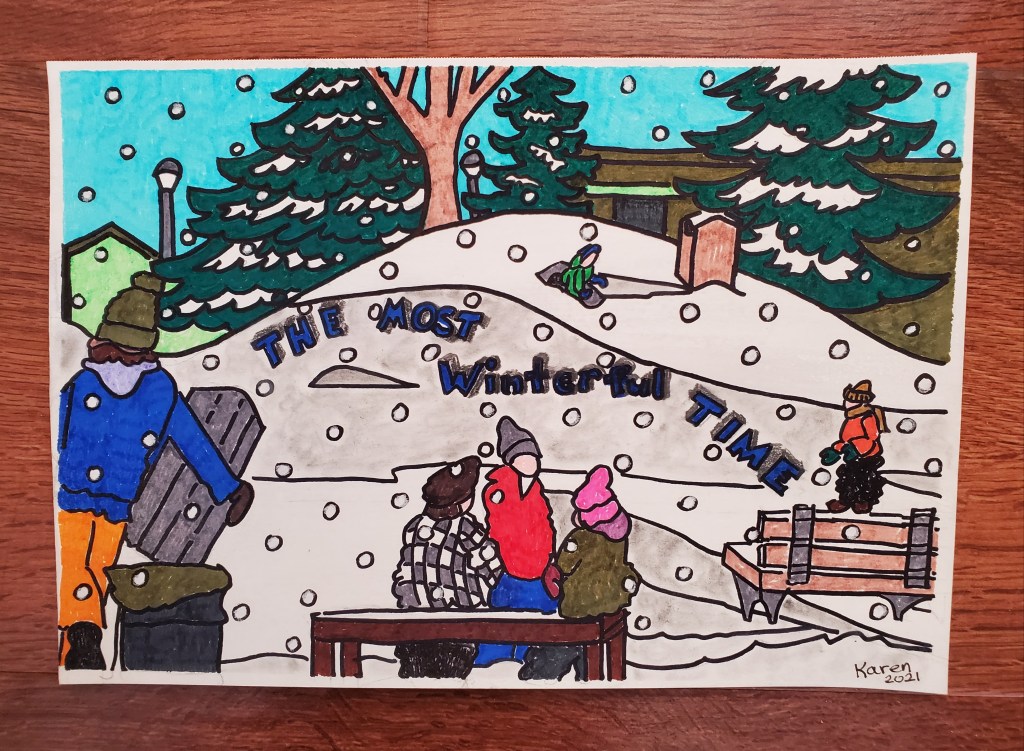
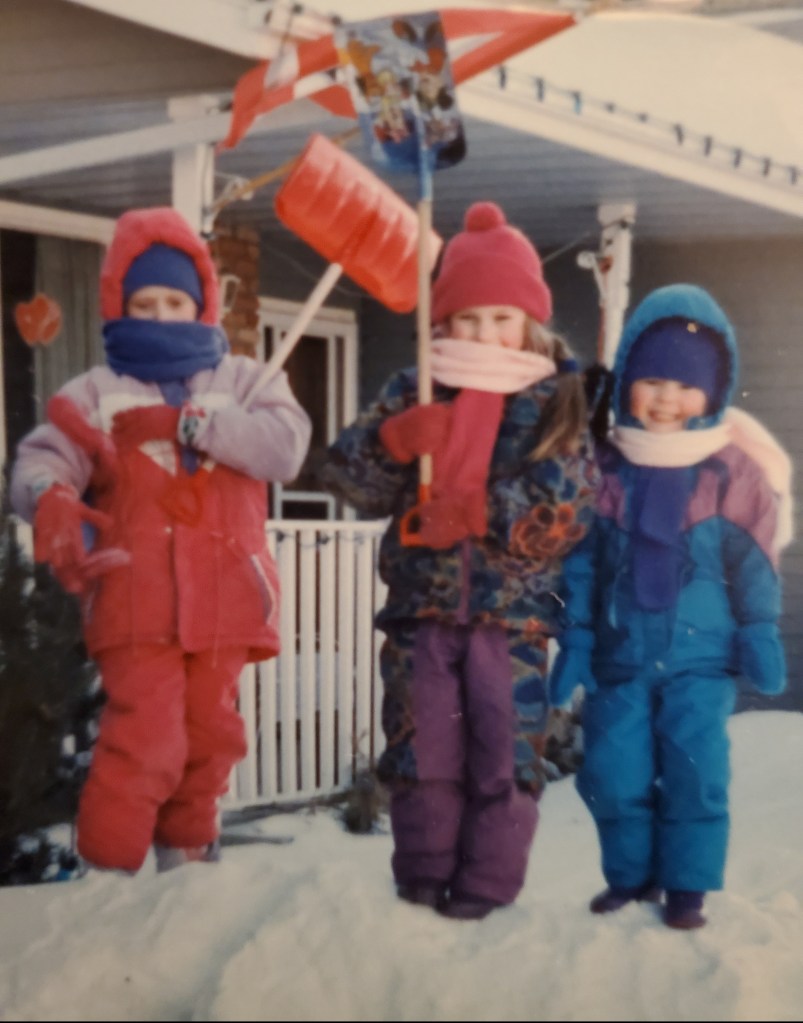
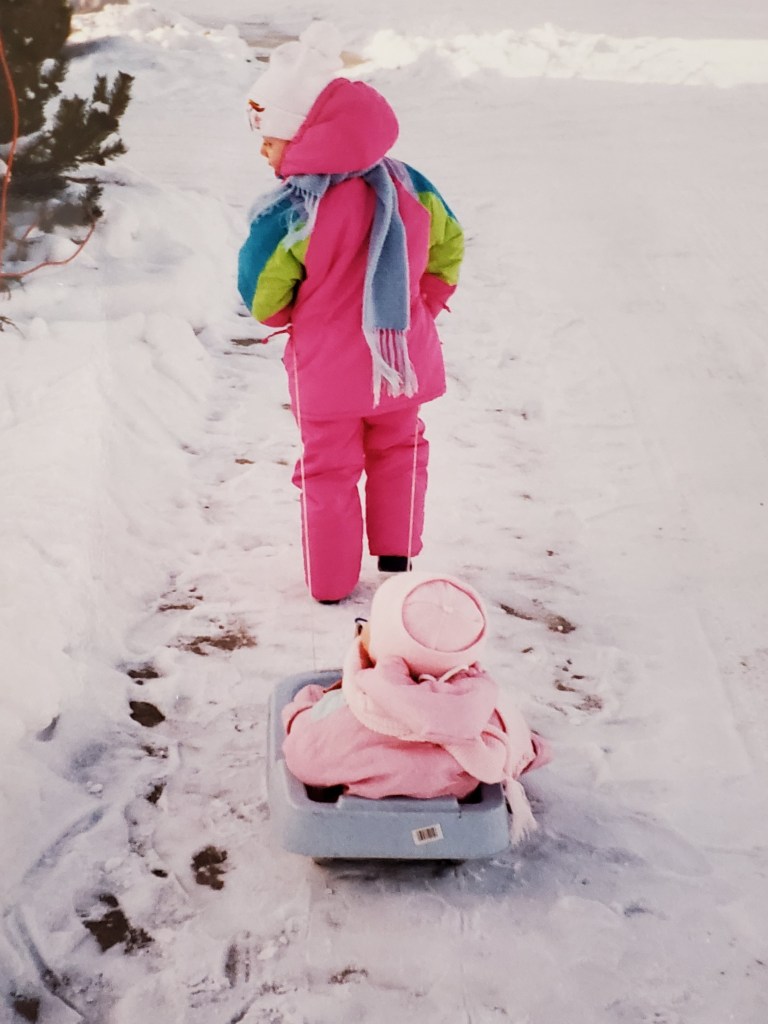
Winter 1995, another sledding trip to the neighborhood toboggan hill. The kid’s love it here on a winter’s day. Scanning the scene being a vigilant conscientious mom I noticed a potential safety issue. Older neighborhood kids had built a huge bump into the hill that day so with every push I carefully steered my girls around that potential hazard.

Everything was going fine until I pushed two of my girls for what I thought would be a final safe ride down the hill before heading home. But, at the last second the sled caught an edge in the hill and veered right into danger and over that big bump! It was the thrill of the afternoon and quite a spill, too. Everyone was screaming and then laughing. One landed flat on her back giggling, the other got a big surprising bump on her bum but fortunately everyone was fine. It was the most excitement of the whole day and we couldn’t stop talking about that random moment in time for the rest of the day.

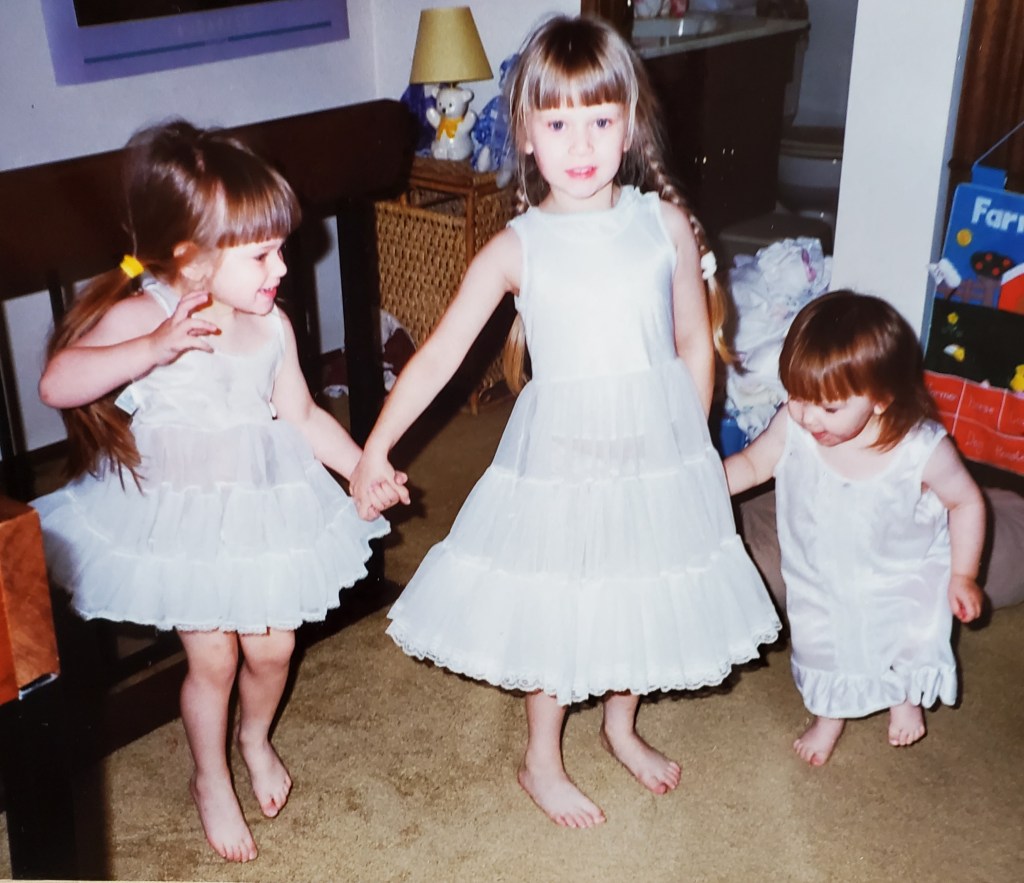
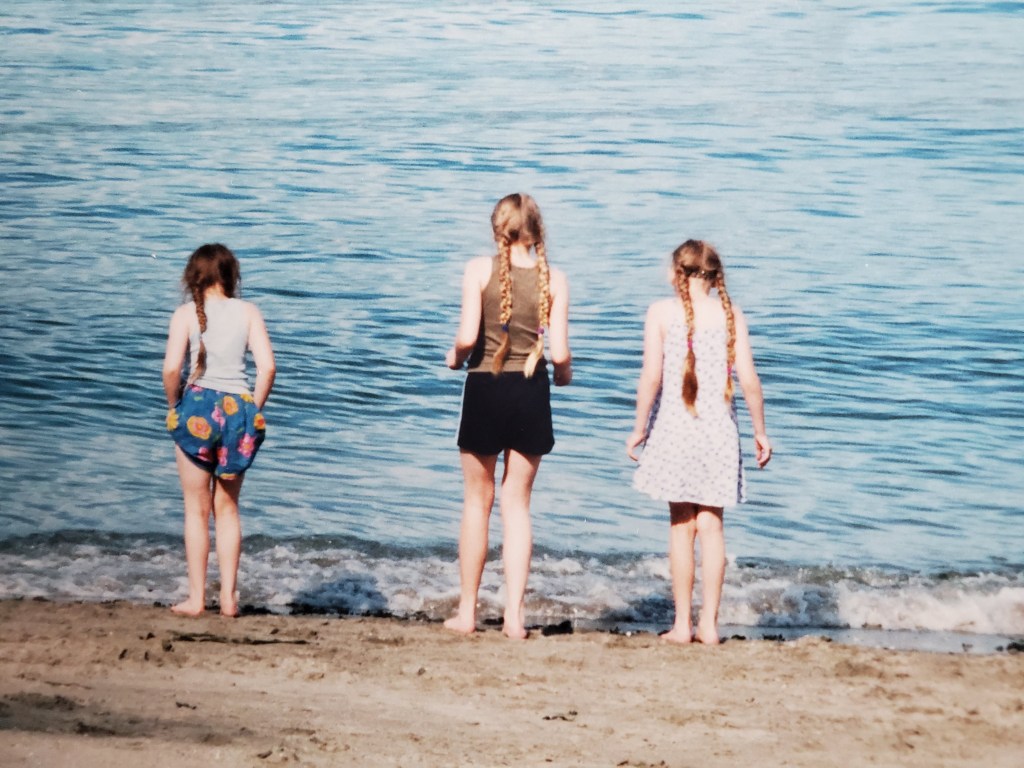
Those words were written 30 years ago in a journal of mine, a much younger mother then but they still ring true today. I realized then and still believe that some of the most memorable times in family life are those you plan the least for. They just happen. I remind myself often now to appreciate all those moments we spend together. The joyful faces and the happy smiles of my adult children still make me smile and laugh but I no longer can steer them down every hill although I still wish that I could. They have to navigate most of their own big bumps.

All too soon our kids need to learn to stay afloat without us. Hopefully, I instilled in them the knowledge and coping skills then that they would need to succeed in the future. Enjoy those precious spontaneous moments in time with your children. Learn to accept the unexpected. You will not always be in control.

Karen Boschee

Mom, Grandmother & Retired Teacher

Make New Friends

When I was young my dad used to say your lifelong friendships will fit on one hand. Not particularly positive advice for a youngster navigating the world around her and the people within it! But, later in life now myself, although not an accurate assessment of the quality of my friendships I have discovered that he was not far off the mark figuratively.

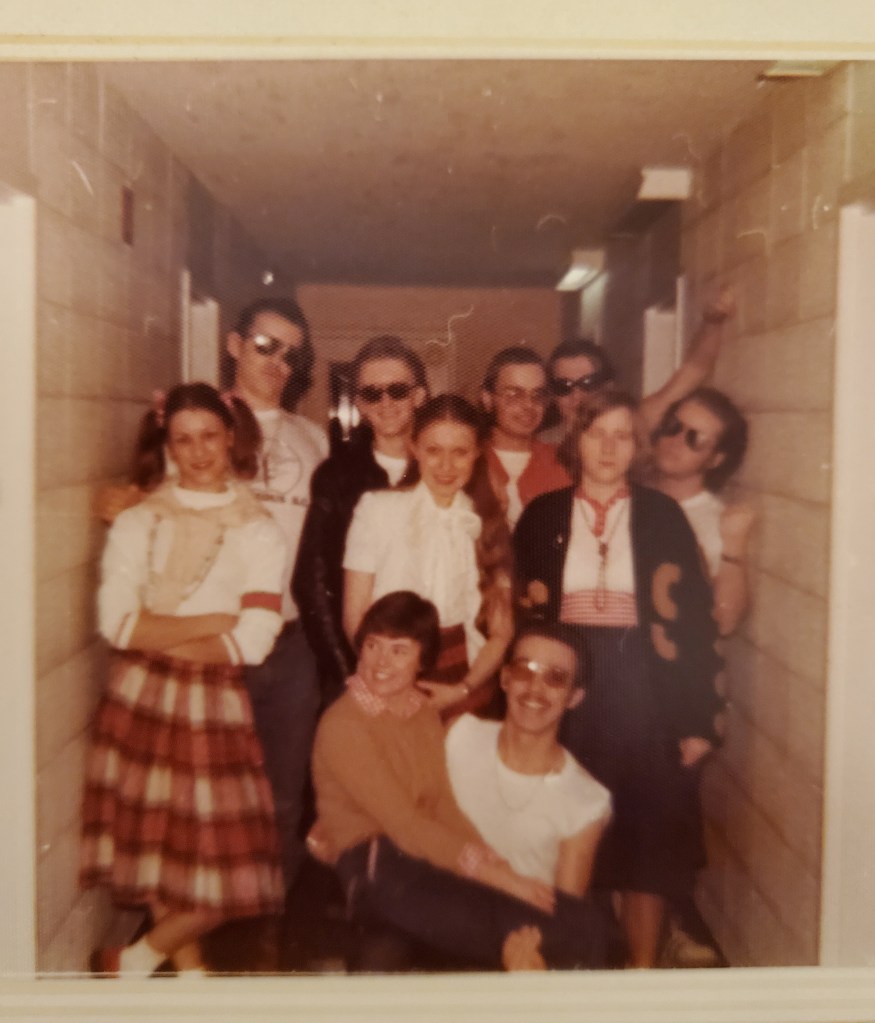
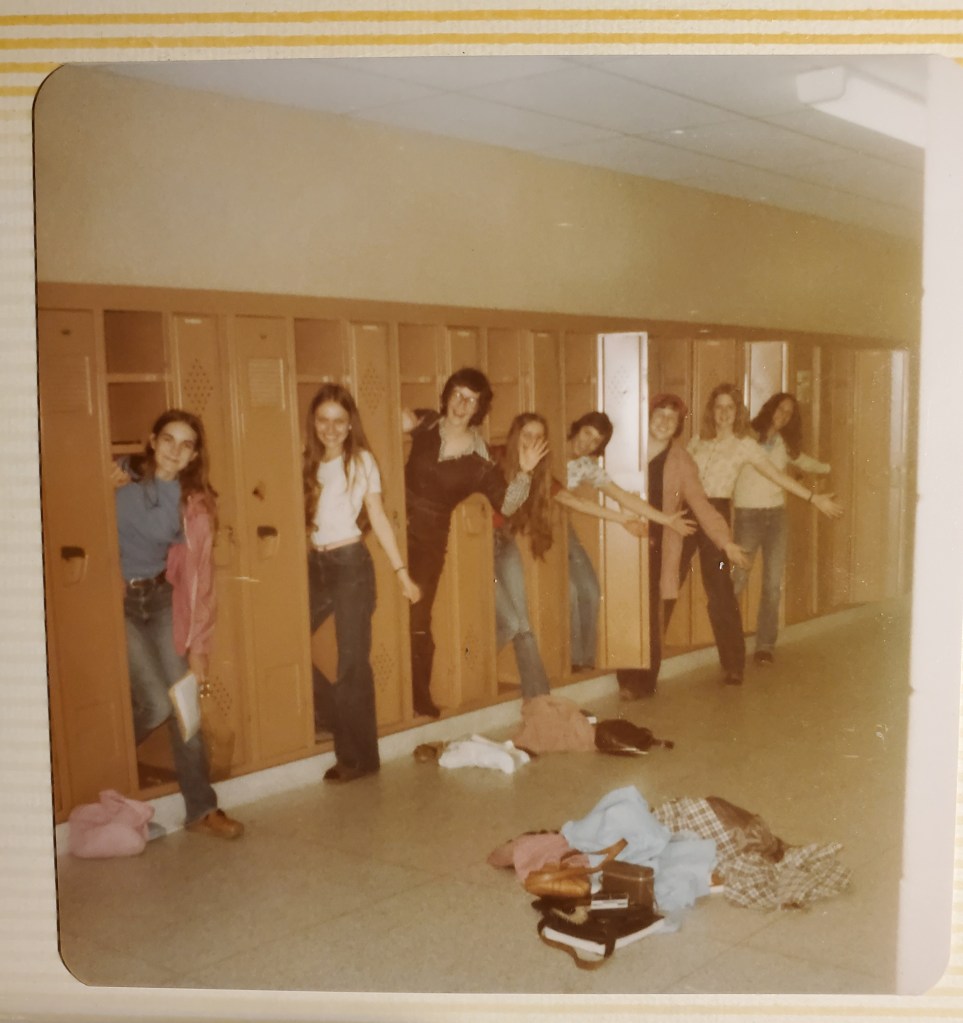
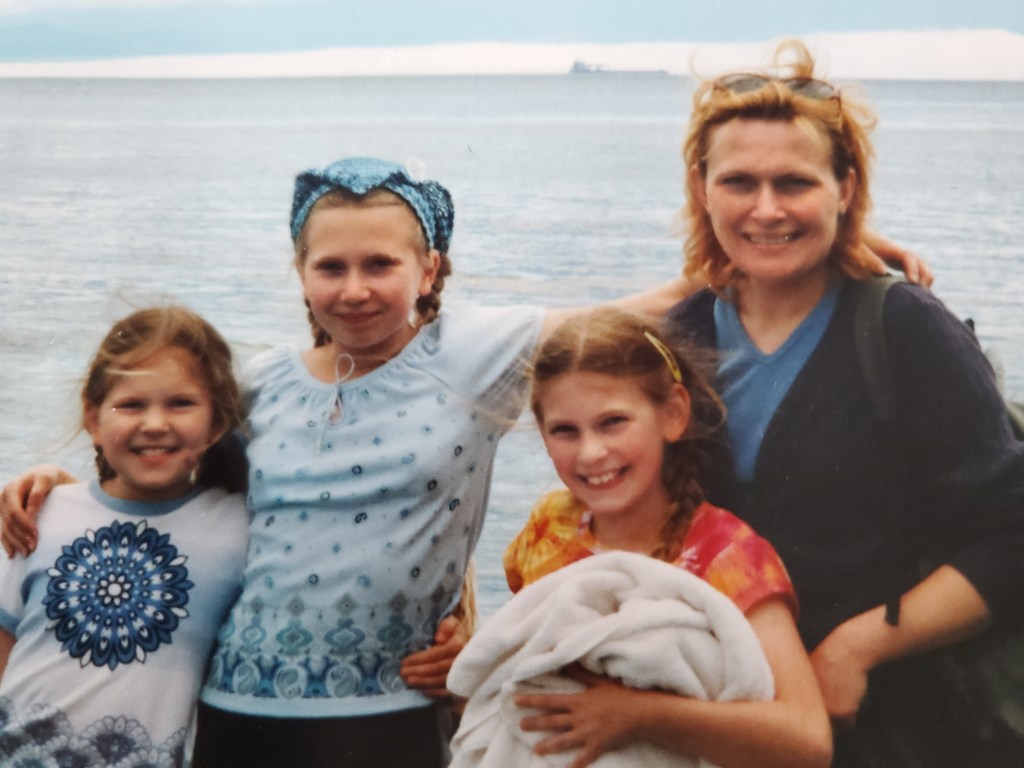
When I look back at old photos I see good friends that are no longer actively in my life. People that I went to school with, a roommate, a bridesmaid, working colleagues and family friends. Time and circumstance takes its toll and some people will come and go during your life. I didn’t always understand this and spent time unrealistically worrying about friendships.

Fortunately, I’ve gained perspective with age and I am learning to accept that it’s okay! People will enter into your life for many different reasons. What we gain from those relationships at that time is what’s most important not how long they last. When they are gone the fault often lies within what is beyond our control. As a parent, I wish that I could have shared that wisdom sooner with my own children while they grew up and experienced the drama and stress of seeking social acceptance and juggling friendships common during childhood and adolescence. Your worth will not be judged by how many lifelong friends you have but instead by the kind of friend you have been to others. You need to move on.

I had to make new friends when my family moved four times during my childhood. When I left home for school I met more people and some became close friends as did colleagues during my working career. Raising my own children brought new family friends into our fold through common associations. Then came another big change, retirement, which changed the dynamics of my circle of friends once again. Life happens!

The pandemic restrictions reminded us all that we are social creatures that need and value of human connection. The risks and consequences of isolation are very real and impact our mental health. We interact because we have a basic need to belong and because we fear and dread loneliness and rejection.

In retirement now I am frequently asked the question “Are you enjoying it?” My response not surprisingly is yes I am! I don’t miss the work but I do miss the people and the interactions and communications. That’s why we congregate in staffrooms, gather at coffee shops, visit with neighbors, sign up for classes and join book clubs, enjoy the camaraderie of sports, volunteer or perhaps seek out fellowship at church. That’s why some retirees choose to reenter the workforce. The craving for human experience and a feeling of purpose and self-worth prevails and is healthy. So we keep planting the seeds of new friendships.

My nostalgic mind recalls the old nursery rhyme from Girls Scout days chanted around many friendship circles. “Make new friends but keep the old. One is silver the the other one gold.” Good advice indeed because many of us relish the opportunity in life to meet new engaging people and strive to maintain long standing relationships. But, most of us don’t live in a Sweet Magnolia novel with the perfect scenario where childhood friends are still there at the beck and call with kind words and hugs propping us up as we make our way through the trials and tribulations of life. The grassroots of friendship comes from within so when you are able take the opportunity to nurture the old while you are cultivating new ones.

I am thankful that technology and social media has made staying in touch with people much easier than in years gone by. I’ve become more assertive with age and in retirement rediscovering old interests of mine has introduced me to new circles of friends. Putting myself out there and connecting makes me happy. Quality of life improves with social interaction. Different people may drift in and out throughout your life journey and that’s okay. Creating a sense community is good for our mental health. It turns out lifelong friendships are rare because they evolve. But, you can always make new friends!

Thank you for joining me.

Karen Boschee

Retired Teacher and Parent of 3 Adult Children

Too Many Eggs in Your Basket?

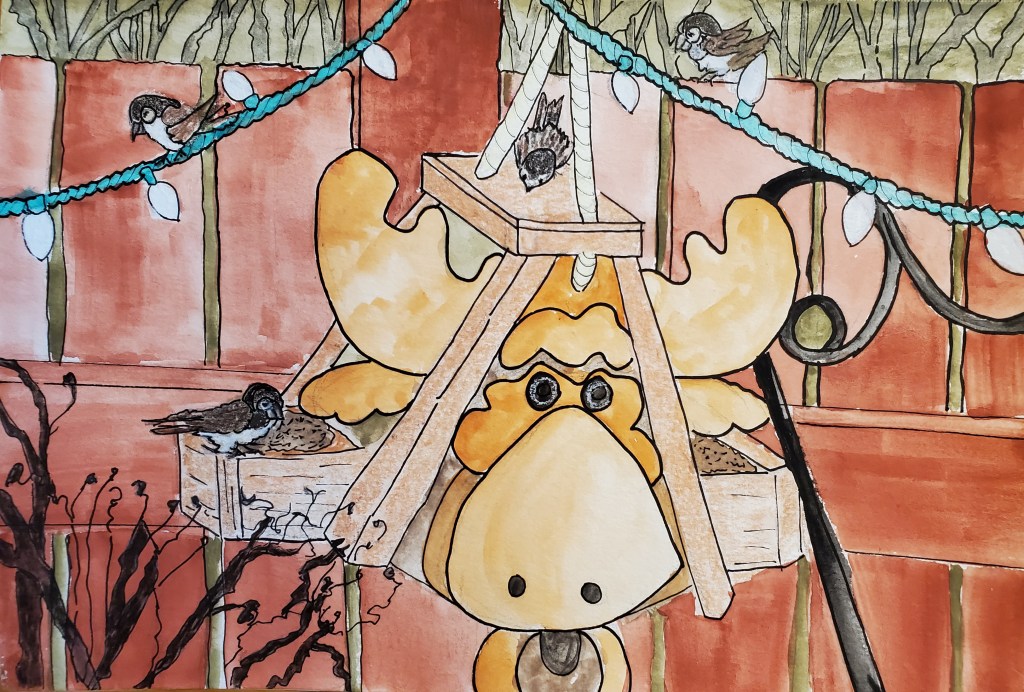
Maybe it’s the coming of spring with sparrows nesting outside my front door, something that hasn’t happened since my own children were young decades ago.  Or joining a choir and enjoying singing in my sixties, something I haven’t done since childhood.  It must be the wonderful anticipation of the birth of my first grandchild that has reminded me once again to count my blessings, slow down and savor those precious moments in life.

You know the familiar phrase “don’t put too many eggs in one basket.”  I’m a person who for most of my life overcompensated for all those potential negative scenarios by focusing and juggling too many eggs in multiple baskets.  Sometimes looking back with regrets, I realize that although I was always there for the important moments with my family, I wasn’t necessarily smelling the coffee. I ask myself now why did I settle for less than I deserved from those moments because my mind was just too busy?

I know what you’re thinking hindsight is a wonderful thing, but this is easier said than done. Don’t get me wrong I would never have ignored or rejected the needs and responsibilities I had in my family or work life to indulge myself flippantly.  But maybe I should have slowed down my own thought processes along the way.  Multiple eggs in too many baskets leads to racing thoughts and that is never a productive state of mind.

I will never cast a stone at the value of creative thinking and cognitive reasoning because it has served me well in life. But rambling thoughts can sabotage your own good intentions to cover all your bases.  By slowing down productivity they can hamper your concentration and engagement.  Random thought patterns can lead you astray, waste time and take you off your game. 

Even when I am writing my blog, I often allow myself to get interrupted or distracted by my stream of thoughts.  I know that I’m guilty of overthinking which can clutter my mind and that isn’t a productive state to be in. I risk losing my flow of ideas by doing too many things at once.  Needing to regroup I end up taking far longer to complete the original writing task I intended to accomplish which creates stress.

Over the years I have learned to live with these thought patterns of mine as a functioning adult and they have not limited or incapacitated me, but I have observed and grown more concerned about the negative effects and consequences racing thoughts can have on the developing minds of children.  Hindsight is telling me maybe that should have been on my radar more as a parent decades ago.

Today if I miss a Wordle challenge I will feel regret and disappointment, but I will get to try again the next day.  It doesn’t happen very often that I miss a word but, on those days, when I’ve been interrupted and juggling too many things my inner stress builds cluttering my mind and I inevitably miss a clue. The consequences are minimal, but life isn’t like that.  We don’t get many do overs and that is especially true for children as their formative years flash by so quickly. 

The truth is that some children wage a relentless battle against their own thoughts for many years discovered by parents only after significant collateral damage has occurred.  When your child’s own thinking patterns create more stress in their life it’s a sign that shouldn’t be ignored.  When racing thoughts, worries, or ideas become more repetitive or exaggerated and increase in frequency or intensity they can hamper normal daily functioning, hinder relationships or disrupt sleep. They can challenge a child’s mental health and well-being. 

Negative thoughts are normal but endless upsetting thoughts that won’t go away are not and they can create stress for a child. Once a behavior pattern sets in these kinds of thoughts can dominate a child’s brain making it more difficult for them to concentrate and accomplish things. Anxiety may be the root cause of your child’s irritability, exhaustion or restlessness.  Racing thoughts are a common symptom of anxiety and other mental health disorders.

It took a long time for one of my adult daughters to confide in me that she had always been fighting her own thought demons and that her mind had always thought differently.  I had noticed signs during childhood but didn’t always understand at the time what they meant. If mental health issues do start to emerge in a child, parents need to recognize the risk factors and take them seriously. The realization that mental health problems and disorders can manifest themselves in childhood has become far more acknowledged and accepted. It can be treated before it causes lifelong consequences. Early intervention is so important.  

The good news is that there are ways to cope with racing thoughts and associated mental health conditions.  With consistent management and care my daughter leads an active and full adult life.  She has crafted strategies into her daily routines that quiet those ever-present troublesome thoughts demons and calm her anxiety enabling her to function and keep on carrying on.  

Parents can start to help a child who is struggling with racing thoughts and feelings of anxiety by first acknowledging that their emotions are a real and vital part of their being.  Instructing our children about the importance of good mental health will encourage them to be more open about their own feelings and increase the chances that they will confide in you if they are having problems and do need help coping.  

Encouraging and modeling positive thinking is something that we all benefit from in our lives.  Positive thinking will help children to be more resilient.  Resilient children given time and nurturing can learn to cope, adjust and recover better from future life events or experiences.  Showing children the importance of self-care and mindfulness is essential for good mental health.  Learning to take care of ourselves when we are experiencing negative feelings and thoughts or managing stress is important and it should start at a young age so that it becomes a pattern of behavior throughout life. 

If you suspect something is amiss or your child is struggling in any way don’t ignore the signs!  Dig deep to find the root of the problem and then seek out appropriate help for your child. There could be a mental health issue.  Daily activities at home and school should not become hard because their thoughts or feelings are overwhelming them.  Thriving children are enjoying life and feeling confident about themselves. 

I am now making better choices for myself, counting my blessings, slowing down and savoring precious moments in life.  As I make my basket smaller and reduce the number of eggs within it perhaps, I can still lead by example as my adult children learn to juggle their own lives.  Life is a journey, and we can’t always control the pace and demands put upon us. It’s no wonder our thought processes can run away from us at times if we don’t recognize and rein them in.  Unfortunately, this is an even more confusing and difficult process for children to navigate and it can result in brewing internal anxiety.  Are there too many eggs in their basket or maybe they just need more help carrying them?

Thanks for joining me.

Karen Boschee

Retired Teacher/ Parent of 3 adult children

Additional reading suggestions:

5 Ways to Stop Your Racing Thoughts https://www.psychololgytoday.com/ca/blog/women-s-mental-health-matters/201604/5-ways-stop-your-racing-thoughts

How Can I Control Racing Thoughts And What Triggers Them? https://betterhilp.com/advice/bipolar/how-can-i-control-racing-thoughts-and-what-triggers-them/?

How to stop racing thoughts https://www.medicalnewstoday./com/articles/320658

Routines Are My Anchor

Routines are my thing. 365 days of the year I walk the dogs twice a day with rare exception just before lunch in the morning and after dinner in the evening. My family knows I am a creature of habit. For me predictability and familiarity equate to less stress and more enjoyment in life. Routines are my anchor. They give me support, stability and security.

I’ve always been a planner, a list maker and an organizer. I like structure. Sticky notes have long been a cluttering essential part of any workspace of mine. I’ve carried a mini agenda in my purse for years and a giant office style wall calendar has adorned the kitchen bulletin board for decades now with details of my family’s life story recorded and saved for future telling!

I’ve always asked too many questions and overpacked for trips. As a child my father gave me what I thought was an endearing nickname, “the one that knows.” I now understand his parental frustrations raising an obviously over curious and anxious youngster. The “what if” thoughts are still rarely not in the back of my mind. Like a good girl scout I have tried too always be resourceful and prepared.

Honestly, the prospect of a day without routines regardless of how wonderful it may turn out to be does create some discourse within. Others around me may scoff at it or ask why? My slightly obsessive-compulsive personality tendencies may be showing. I may have doubted my motives especially during my younger years but not anymore.

With age I have realized and accepted that we all have our own survival strategies and ways of coping with or compensating for whatever life has in store for us. As one of my daughters frequently says, “You do you, Mom.” Everyone copes with stress differently. Having routines helps you stay focused and organized. It keeps a sense of normalcy in your day. Sticking to routines for most people gives them comfort and deflects the stress they experience when encountering things in life that can’t be controlled. Sometimes we just think too much. Experts agree having routines is good for your mental health.

That doesn’t mean that I haven’t dreamed big on occasion, had adventures and accomplished things during my life. Looking back like most of us I have learned to function out of my comfort zone, but it has always been at the cost of my own mental health and well-being.

As parents we quickly learn that unpredictability and stress are an expected and unavoidable reality of the role. We strive for routines but sometimes they are elusive. Nevertheless, we learn that children need structure and consistency, so we soldier on. My chosen teaching profession was the right one for me. Workdays were very structured and ritualistic. We were ruled by the bell. But then there were the kids and just like parenting more unpredictability and stress always challenging those carefully laid plans.

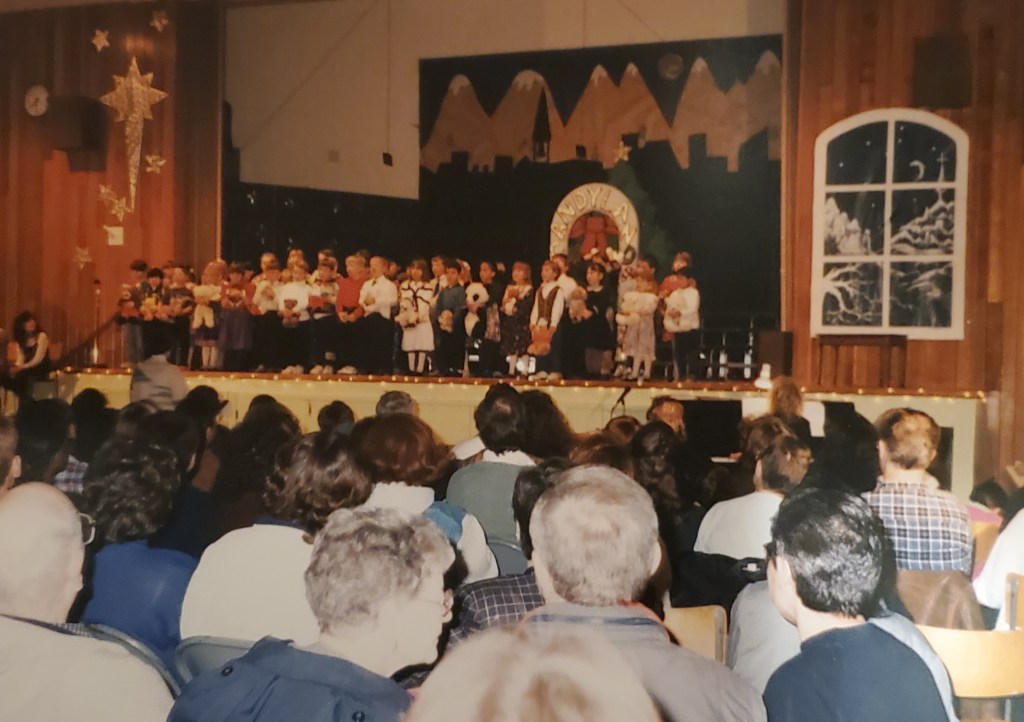
Looking back twenty-five or so years with another busy holiday season ahead I was struggling to juggle my many roles as a wife, mother, daughter, sister, worker, colleague and friend. There were dance and music lessons, birthday parties and school concerts, sledding, skating and shopping. We were coordinating visits with grandparents, keeping correspondences up with other relatives and friends, attending parent teacher conferences while hosting my own the same week.

My relentless workdays were grueling and usually extended into the evenings after the kid’s bedtimes. With good intentions I was taking courses working toward my next degree. Still trying to sneak in some social and personal life. Sometimes relentless schedules can become exhausting and unforgiving. In hindsight I understand now even more clearly why routines at home were so important.

TGIF evenings at home watching favorite tv shows or movies on VHS tapes, Sunday night family dinners, pancakes on the weekend, take out Tuesday, puzzle time and game nights, homework around the dinner table, bedtime stories and of course walking the dog.

That’s why I was always the organizer, the planner, and the list maker. That’s why I was assertive and asked the tough questions. Routines and structure kept the family train running together on track and in the right direction They kept us close and connected. They were our anchor.

Retirement has allowed me to cut myself more slack, curb the push for productivity, lesson my rigidity, and slow down the pace! I’m kinder to myself. I don’t feel overwhelmed as often because I understand that life is full of the unexpected and plans don’t always go as planned. But, I still have my routines. Some are rooted in necessity, but most keep me grounded because they are important or near and dear to me. They make me feel good and they continue to help manage my stress. Like children we never stop needing structure and consistency in our lives.

At home we often chuckle at how much our dogs watch my routines for their own daily cues. As the saying goes “If it ain’t broke, don’t fix it.” No need to change what is already working well. Routines are good for my mental health. I guess it must be time to walk the dogs! Routines work for me!

Thanks for joining me.

Karen Boschee

Retired Teacher / Parent of 3 adult children

Suggested reading: https://www.verywellmind.com/the-importance-of-keeping-a-routine-during-stressful-times/

Why Do Highly Sensitive People Engage in Routines?

https://twitter.com/share?text=the-mental-health-benefits-of-having-a-daily-routine&via=blurtalerts&related=blurtalerts&url=https://www.blurtitout.org/2018/11/08/mental-health-benefits-routine/

Maybe I Could Be a Better Listener

I recently found some concerning words written in an old nineteen-ninety something journal of mine. One of my daughters had said to me “Something is bothering me, Mom. You haven’t been listening to me lately.” Ouch that still hurts today! “You haven’t been paying attention to me. That’s why I act silly.” The amazingly accurate insights of a four-year-old bring back the reality of those busy, overworked and challenging days of motherhood. The importance of the message my daughter was trying to communicate to me all those years ago still sometimes rings true today. We are all guilty of it. We spend time together with loved ones but are we really listening to what they need? I can’t change the past but looking back in life I see now that maybe I could have been a better listener.

If you have ever felt overwhelmed, a big hug can go a long way. Calm words of support may help but finding a compassionate listening ear will likely be the best thing for you at that moment. Parents should always encourage their sons or daughters to keep talking. Mental distress is quite normal at any age. It signals that you need to prepare or adapt so you can remain resilient. We know that mental health is influenced by thoughts and feelings about life and your ability to cope with everyday stressors. Caring adults can help children with their mental distress by just being good listeners.

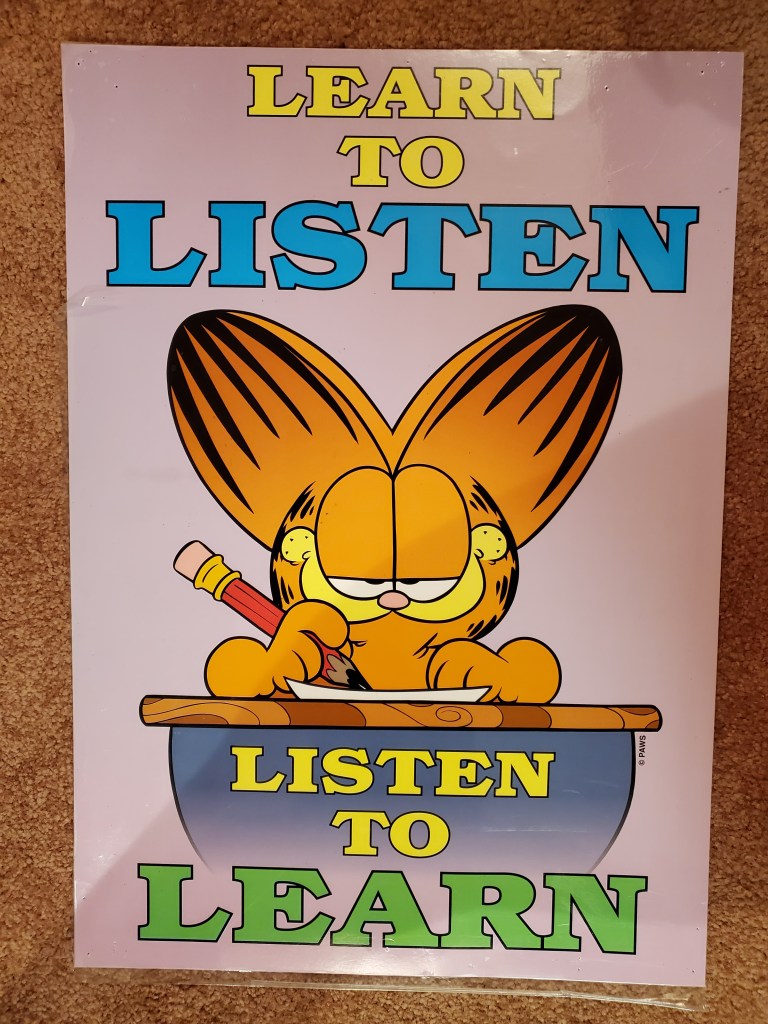
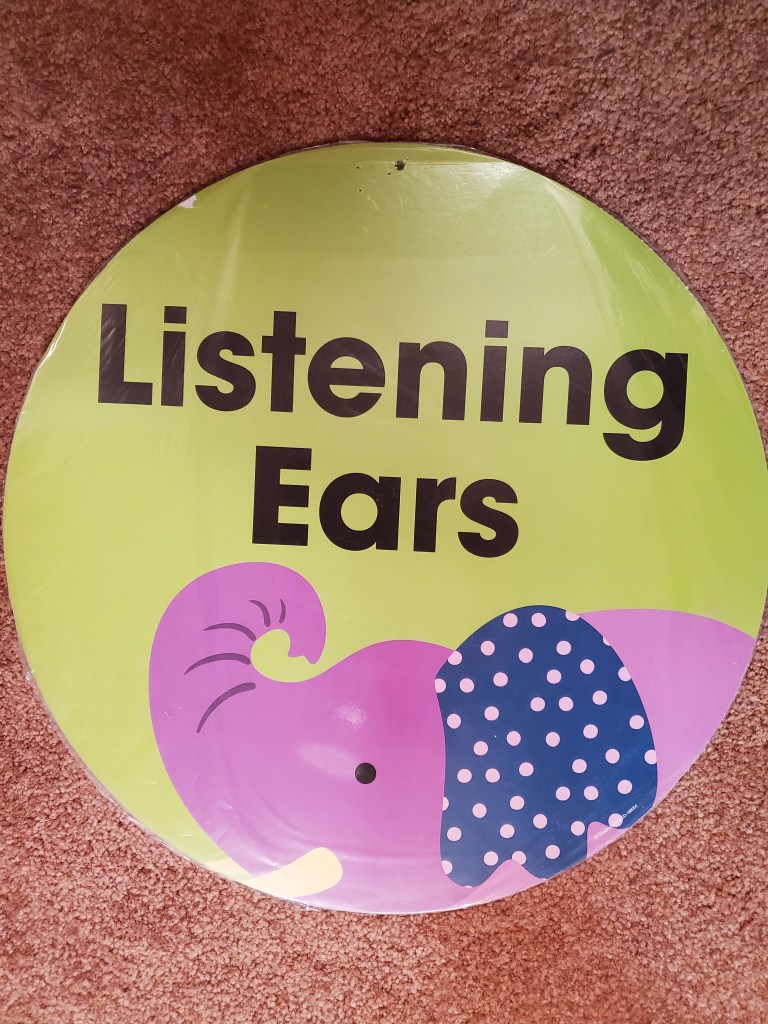
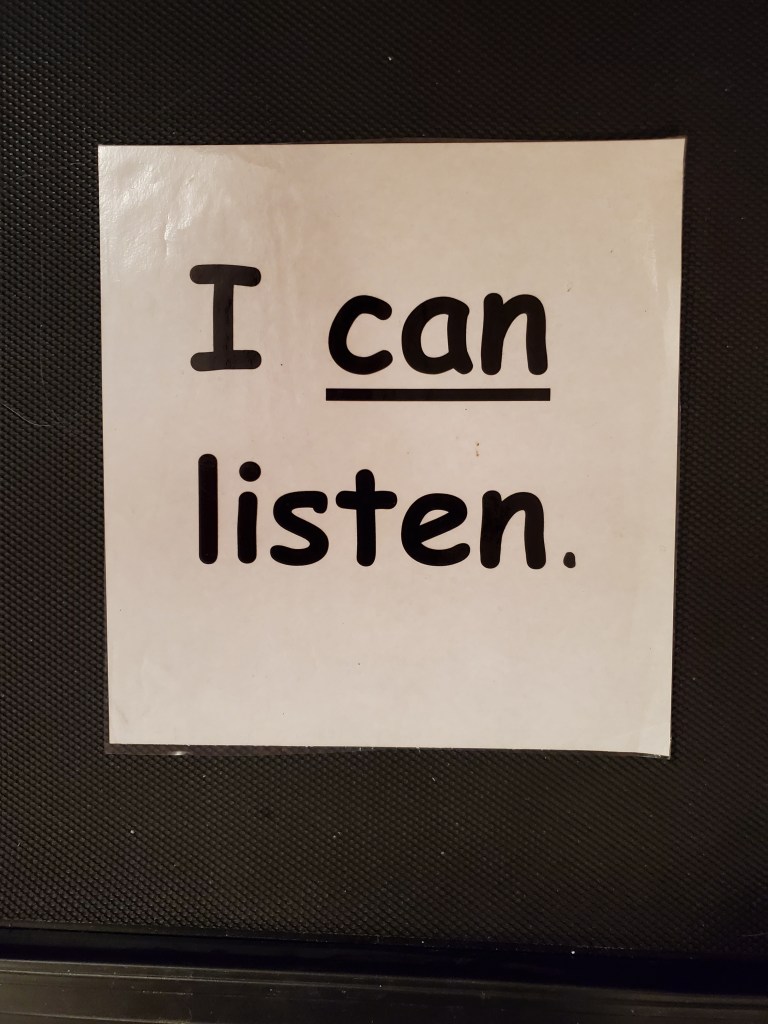
A prominent poster that hung in my classroom when I was teaching wisely said “Learn to Listen. Listen to Learn.” I have been listening to learn but what else have I been learning about myself? I’ve discovered with regret that listening isn’t always my strong suit. In retirement I have had the opportunity to do much more listening. Conversations with family and friends have increased. I’m tuning into newscasts, podcasts, talk radio, zoom meetings, visits and games. Church services have been on YouTube, and I recently listened to a favorite artist performing via online streaming. As we slowly come out of unsafe, anxious and isolating pandemic times I know that I have used my listening skills to stay connected.

I could blame my profession as a teacher where I had to talk all day long to make a living but that would be an excuse for a bad habit. The expectations for being a good listener as a parent, a friend or a significant other should be quite different especially when mental health is the focus. It’s not that I haven’t understood or felt empathetic. I do have a big heart, but the reality is that sometimes I don’t set a good example for being a truly “good listener”. I simply talk too much. I’m a champion interrupter that frequently doesn’t give others enough time to communicate their ideas, thoughts, or feelings thoroughly. Now I understand that sometimes when the other person’s feelings are speaking loud and clear through their words, you really need to sit back, be quiet and just listen. You don’t need to add your own words of wisdom. You can’t always make things better. There won’t necessarily be the right thing to say. Sometimes saying little speaks volumes.

Whenever another incident or story hits the news cycle that has a direct connection to mental illness, I am reminded of what we can all do for those suffering from mental health issues and that is to bone up on our listening skills. It’s a good start that will mean so much. When I was in the classroom, I believed that we should be teaching kids how to listen. I noticed that poor listening skills consistently affected student learning, communication, behavior and overall school performance and success. We spend more time listening than any other form of communication.

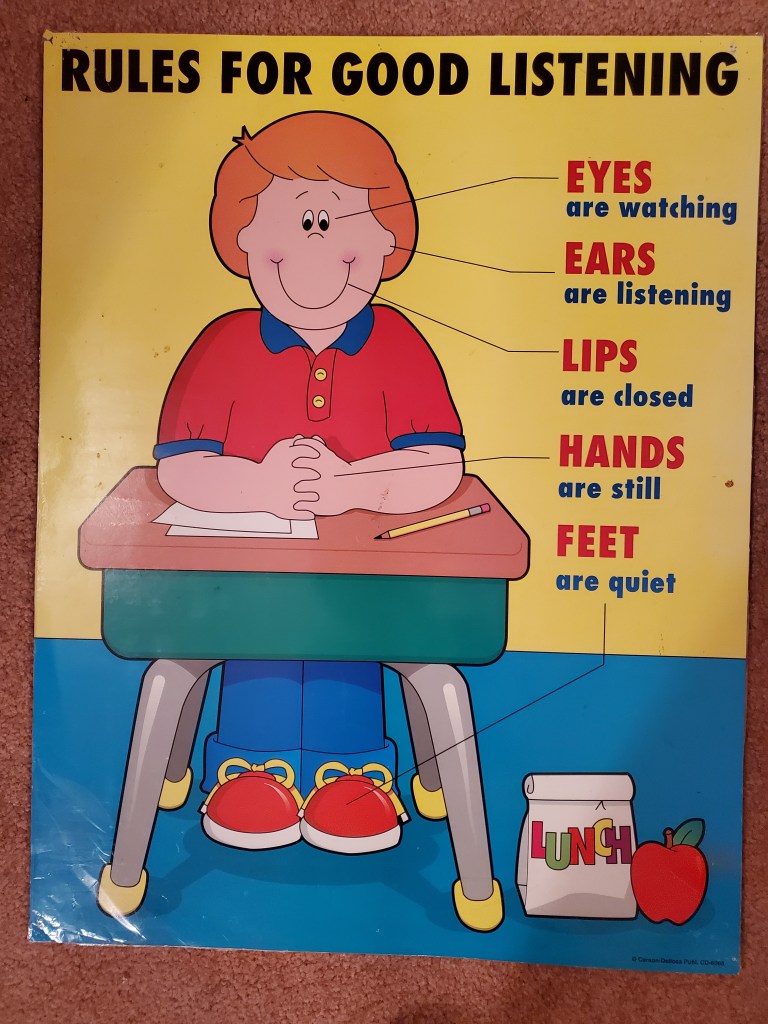
Professionals agree that active listening can assist someone in distress. You can gain accurate and pertinent information. You can learn about and begin to understand the issues so you can initiate support. We hear with our ears, but we listen with our brain. Here are some tips that may help, and I am trying to use them more consistently myself.

  • Always set the stage and recognize the purpose for listening so you can activate your background knowledge. It will focus your attention and get you thinking.
  • Having a good relationship will encourage the person that is sharing with you and promote further conversations.
  • People feel valued when they can see that you are listening. Try to maintain eye contact and watch for other silent communications, emotional cues, gestures and signs.
  • Listening comprehension is the goal but don’t interrupt the speaker. Listen to the ideas, not just the words and try to picture what is being said in your own mind. It takes concentration and practice to be a good listener. Don’t try to guess where the line of communication is heading by responding or attempting to finish a sentence before the speaker has a chance to complete their chain of thoughts. Wow, that sounds like me! It doesn’t foster effective communication. If you want someone to share and talk about their personal concerns or possibly their mental health problems, they deserve your courtesy and respect. Just sit back and listen.
  • Be attentive and invested in the moment. Don’t allow yourself to hear but not really understand. When the time is right, ask questions. Visualizing helps with making connections and building meaning. Restating the information conveyed increases your accountability and gives you the opportunity to clarify and reflect upon what has been communicated to you. Repeating the main ideas of the message back to the speaker in your own words will take you out of the passive listening mode that we are all guilty of falling into.
  • Checking for understanding will show your interest, connection and empathy. Understanding the whole meaning of the message conveyed including the emotional innuendos and then relating to it in some way is important. It turns out that listeners and readers use similar thought processes when receiving information so they can construct meaning from words. A similar process of recalling, retelling and reflecting is used to increase reading comprehension.

So much of our listening is done via audio podcasts, broadcasts and social messaging on our phones and other devices making this process challenging and difficult to practice. Yet so many people need to be heard face to face. No wonder mental health issues have risen to epidemic rates. Active listening requires giving your full and sustained attention to the speaker. Help almost always starts with listening followed by conversations and reinforcement. Problem solving may not come at that moment, but the important thing is that you were there for someone.

My children are adults now, but the bottom line remains the same. Parents need to be good communicators and that includes listening. If your child grows quiet, that’s when you really need to listen. Someone you love may be in need. Words may not express their emotions but the silence does so you must listen with your heart and seek out that connection again. When we try to help anyone through their difficult times whatever the nature of the problem experts agree that active listening is an important way to encourage and bring about change. Instead we quickly take action as a response not realizing that just sitting back and listening is valuable.

Listening with my heart and mind to the people and cues around me has been an integral and reliable way that I have been able to sustain myself both mentally and physically, especially when facing difficult times in my life. It has helped me to be strong when necessary and hopefully a better person. Always choose wisely what you listen to so that you can gather accurate, trustworthy an relevant information, understand the issues, be prepared and stay connected. The current unprecedented situation worldwide combined with the many stressors life can send our way has once again brought the importance of mental health and wellness into the limelight.

Yes, it’s time that we all try to be better listeners to make more sense of the people around us and the world we live in. We could learn. We could understand. Then we could do more. Your children won’t expect you to fix everything in their lives but hopefully they will always want you to listen to them. If you are aware of what they are going through and the situations that they are facing you can offer support. It will make them feel that you are with them and willing to share your strength. Having that secure connection with your children will help them to become more resilient, responsible and caring people themselves that value your guidance and love for a lifetime. Perhaps your wisdom will be welcomed and shared but, in the meantime, active listening will be one of the most important skills that you can have in your parenting toolbox. Learn to listen. Listen to learn.

Thank you for joining me.

Karen Boschee

Retired Teacher and Parent of 3 adult children

Additional reading suggestions: The Skill of Listening. https://centerforparentingeducation.org/library-of-articles/healthy-communication/the-skill-of-listening/

Tips & Activities to Improve Your Child’s Active Listening Skills. https://www.oxfordlearning.com/category/early-learning/

Be Patient. Your Passions Will Find You!

Not surprisingly studies clearly show that meaningfully engaging in something that you are passionate about can have positive outcomes on your mental health and happiness. Unfortunately, however many people don’t know how to follow their passions. Researcher Jon Jachimowicz gives three reasons why this is a challenge. First, passion is not something one finds but rather something that needs to be developed. Secondly, it is hard to pursue your passions because they often diminish over time. The third surprising reason is that sometimes our passions have limits and can lead us off track.

We all know that you can’t live on happiness alone. Life soon shows us that you cannot get sidetracked from important goals, responsibilities and routine activities for too long. If passions need to be actively discovered over time, he suggests that we focus more on what we care about, not just what you like to do and what is fun. Pursuing your passions will be challenging and it will require perseverance. It may not be easy and will require great effort but passions within ourselves are resilient. They can wait and weather the many storms of a life lived.

I have learned over time that my true passions are things that I don’t have to do. I choose to do them because I want to without motive or obligation. For me it has been writing and artistic pursuits that I excelled at when I was young and in school and later in my teaching profession. I loved to mentor my young students giving them confidence to explore their own creative side especially through the visual arts.

When I was young and considering my pathway ahead for work and careers I had been tempted to and initially tried to follow an artistic avenue but soon realized that the pressure and stress ensued from having to create on demand took away from the pleasure that I thought I was getting from my passion. Along with the fear of not being able to make a living for myself. I did what many have done. I chose the safer, more traditional and dependable route, a profession which I flourished in until retirement.

I’m old enough now to understand that being passionate about your job or being a conscientious parent always had an element of service, stress and hard work that would eat away at the pleasure you gained. I have also long recognized that there have been things that I have done emulating the saying “it’s like riding a bike…. you never forget how” like reading, listening to music and riding my bike but they were not my true passions. They were easy automatic go to activities like comfort food telling me this will feel good.

Some passions require more effort and time. They are squashed away just itching to get out. Revisited at times reminding you of their importance and value but then missed bringing you disappointment when they become unsustainable. That was my experience during a large part of my adulthood occasionally grasping at opportunities to draw or write while being consumed in family life and workloads leaving me frustrated with my inability to create at a level that I would be happy with.

Instead, more time and effort went into exposing my daughters to a variety of experiences and encouraging them to chase those young dreams that might turn into passions later in life.

Not things that they were necessarily the best, fastest, or smartest at, but the things that they really liked to do and would help propel them through life. It was exhausting at times keeping up with their personal journeys of self-discovery often at the expense of my own it seemed at the time. But it was worth it, and the payoff has been great because my adult children do fall back on those childhood pastimes when they can do so for pleasure. Some things have been left behind perhaps to be rediscovered in the future, others have been maintained and incorporated into their busy lives. Enjoyable and easy to do activities that make them feel good because there is a history there.

A late winter morning, nineteen-ninety something and it was still cold outside. The weekend edition of the newspaper was brought in the house. After dusting off the snow we opened it up and to our family’s surprise and delight there was my daughter’s artwork published on the front page next to the headlines. Having entered a weather watcher contest she was an excited and proud 6-year old that day. When I shared that image with her recently, she told me that at the time she thought she was a famous artist!

Fast forward nearly 30 years and that same daughter still finds creating and crafting makes her feel good. Far removed from her personal and professional roles and responsibilities allowing those passions back into her life even just for a little while helps lift her spirits and maintain her stamina for daily life. Haven’t we all been there and done that?

You may not be able to explore your passions fully at every stage of your life, but you should always be watching for the signs and listening to your heart. In time hopefully my children too will recognize what I am discovering now later in life, my own true passions are still waiting for me!

Last year now in retirement I decided to join an Urban Sketchers group of local artists that met once a month on location to draw, share their creations and socialize. I had only been to two of these events and was thoroughly looking forward to this opportunity once again grow and develop my artistic skills which for many years had not moved past the budding stage. Then the pandemic hit and curtailed all social gatherings.

Another disappointing attempt at rekindling an old passion I thought. Until with some consideration the group decided to continue drawing solo and posting online for the group with designated themes or locations each week.

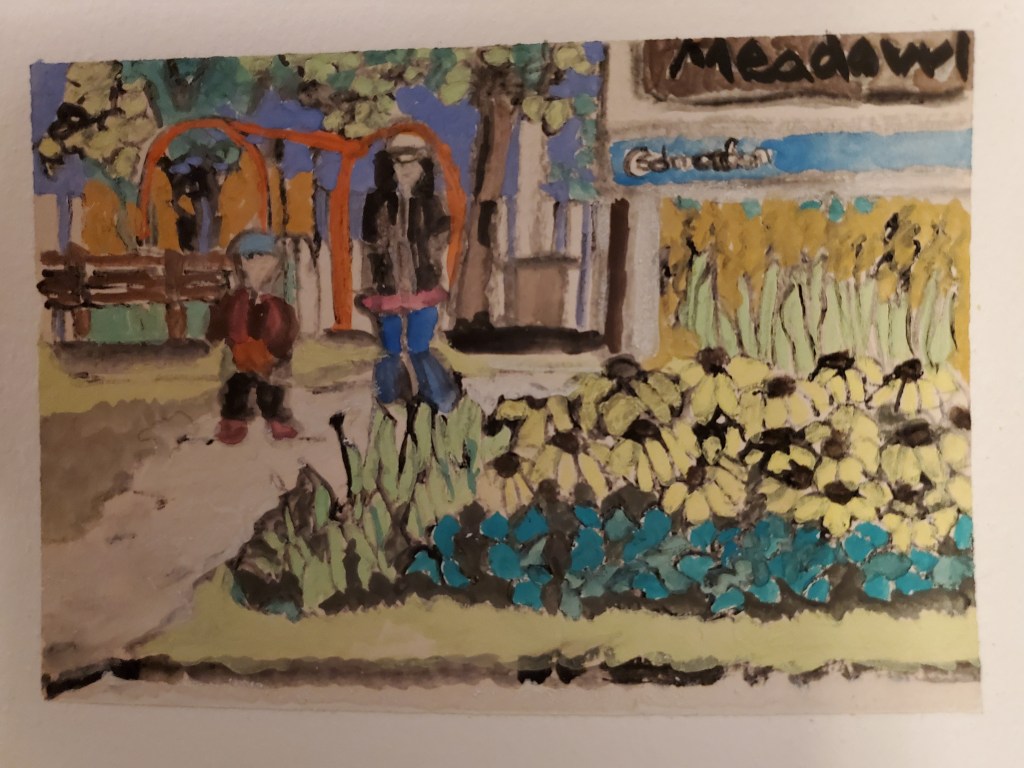
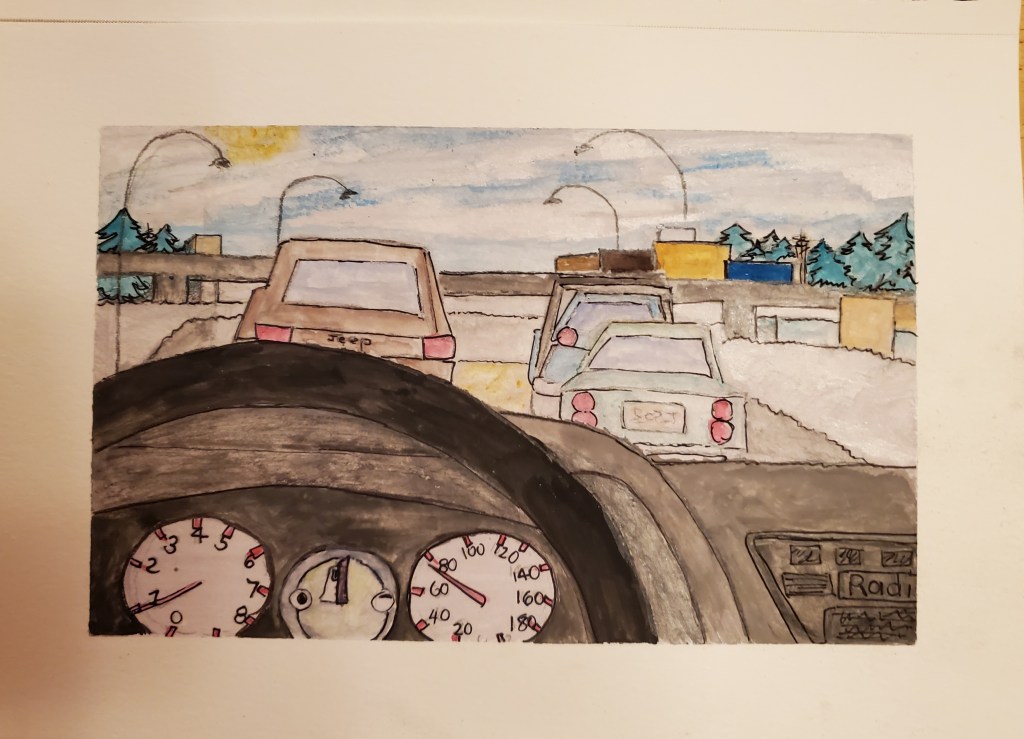
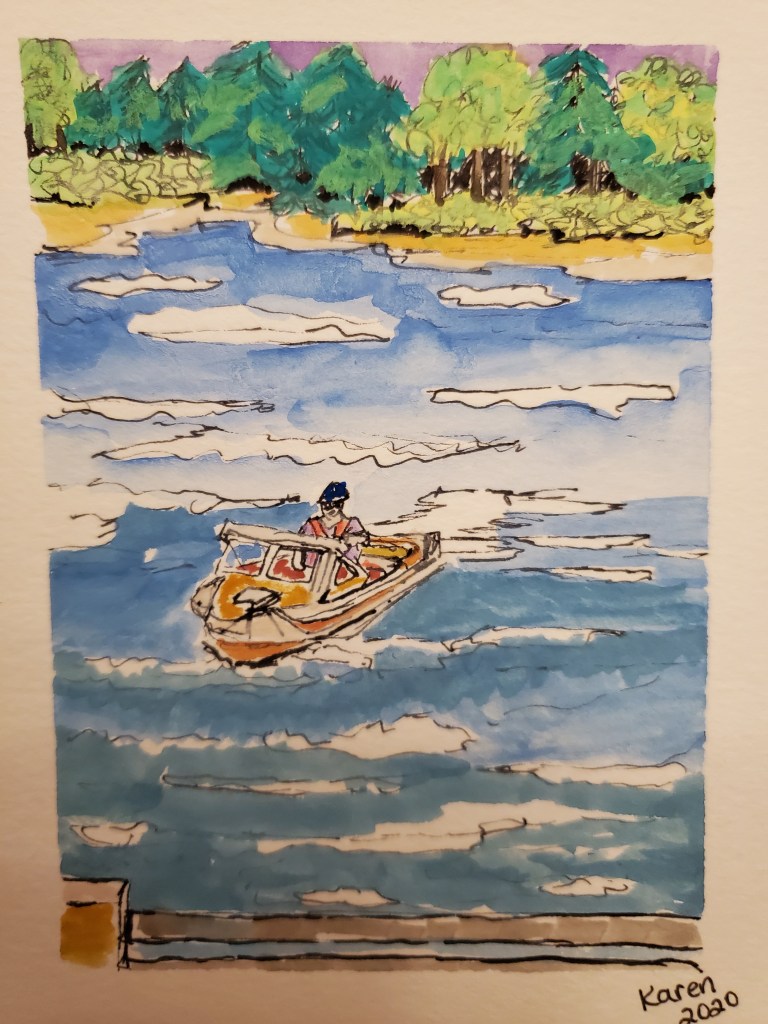
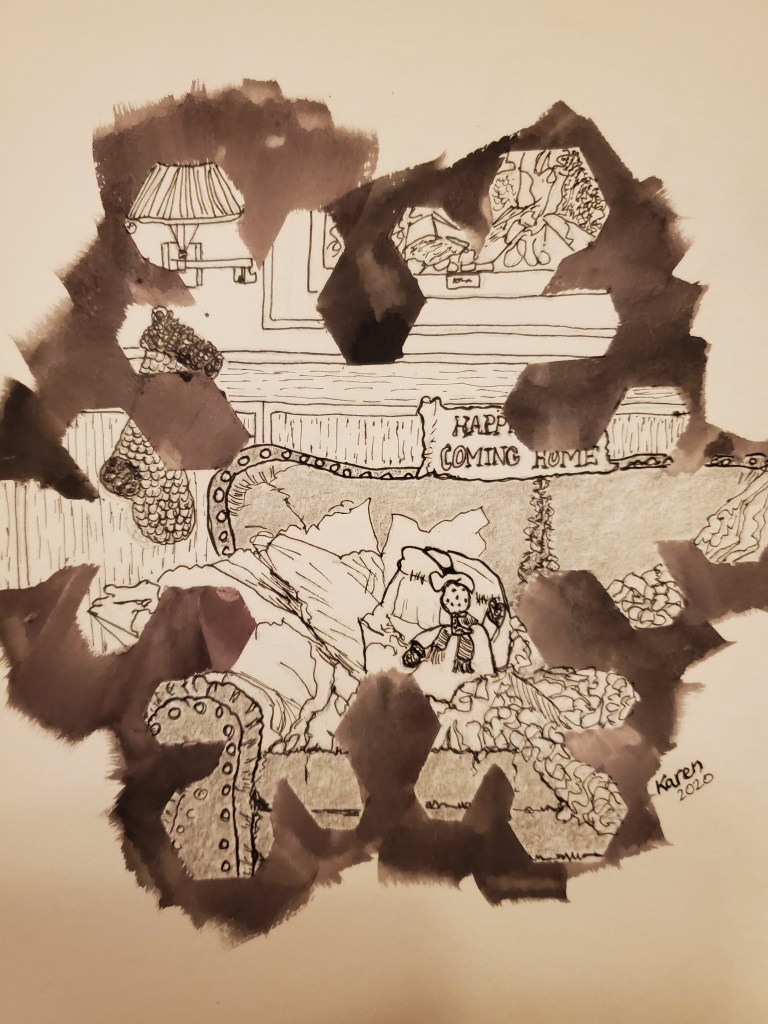
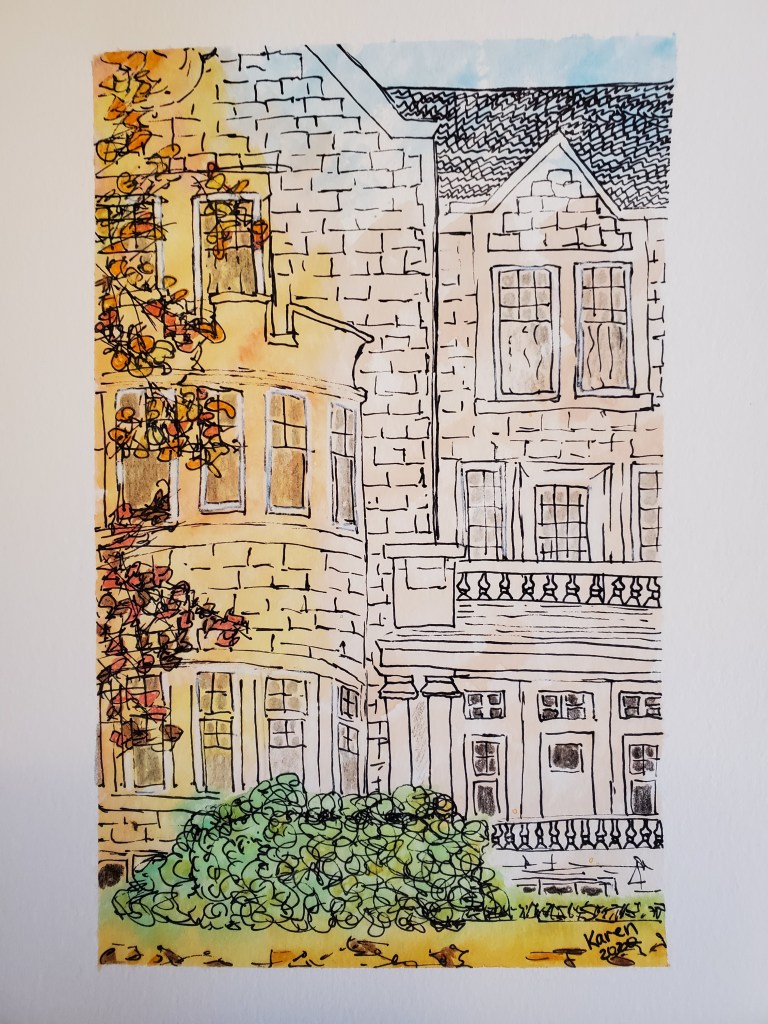
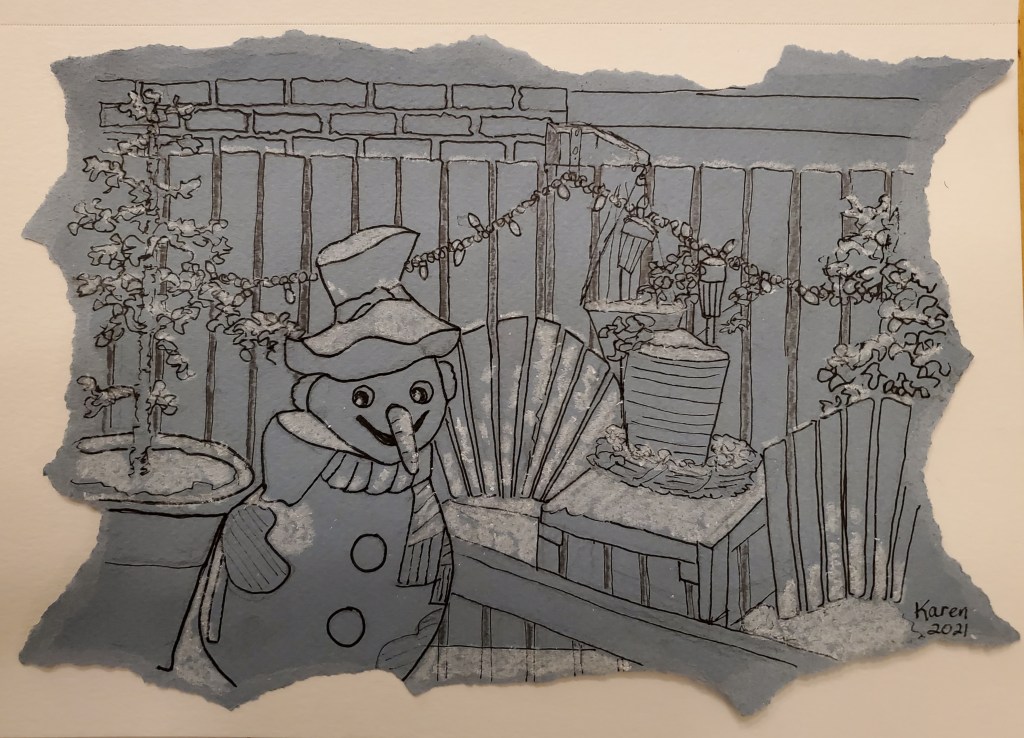
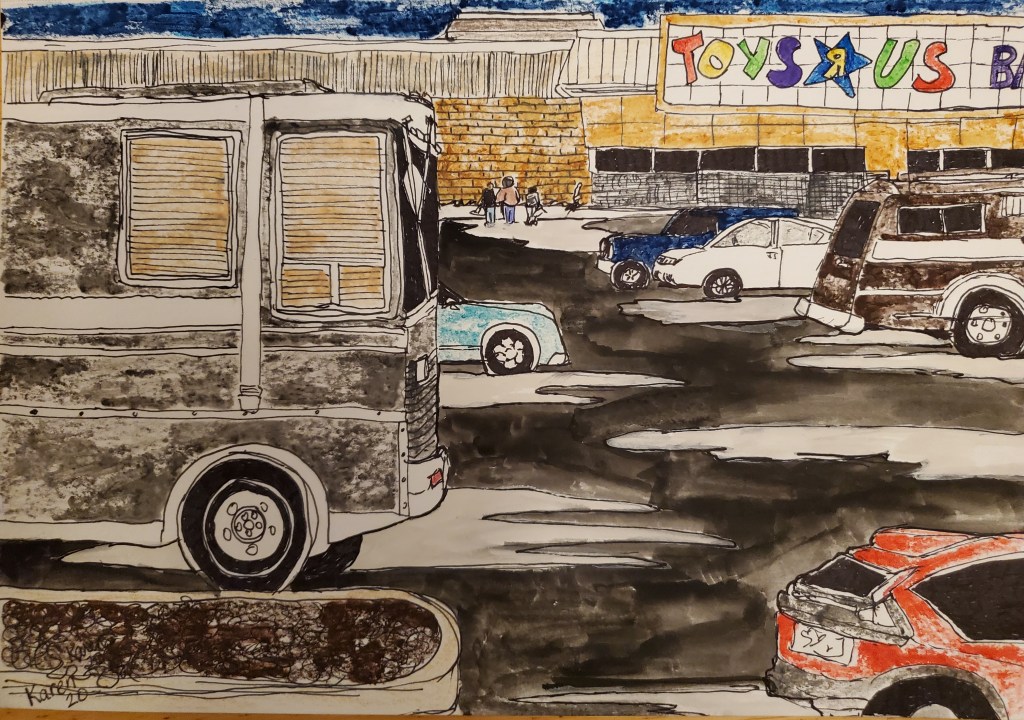
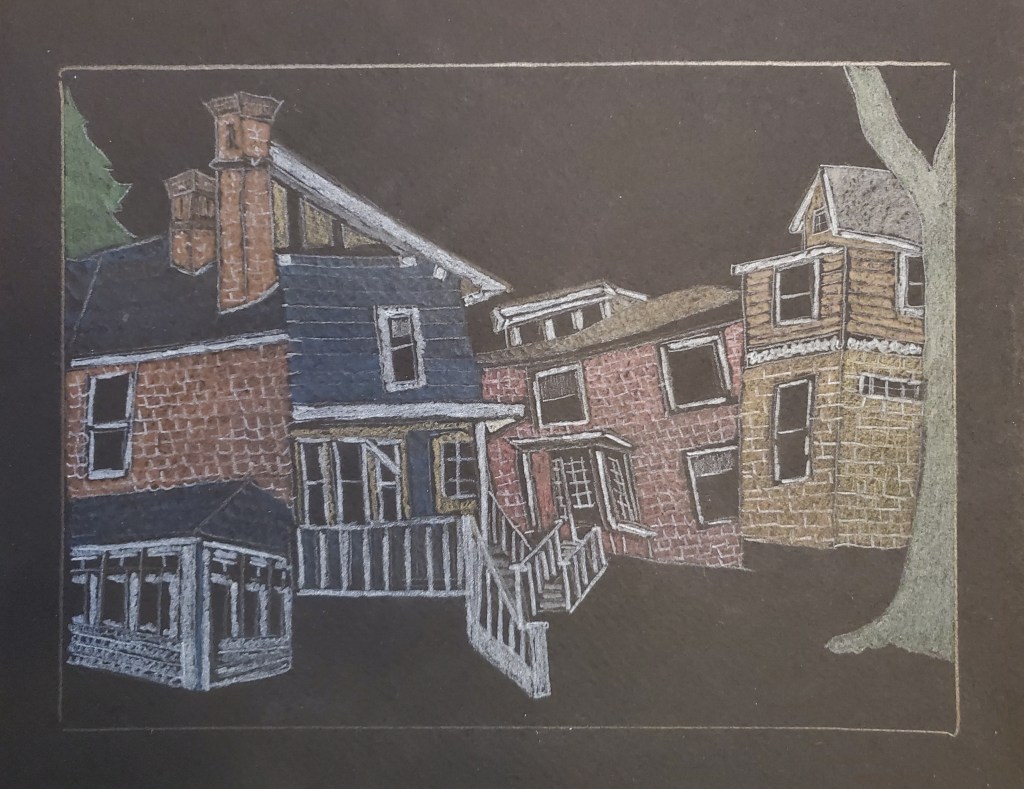
So for nearly the past 52 weeks every Saturday during this pandemic I have been drawing sometimes on location, sometimes in my car, or as winter settled in sometimes within my own home. Each week I have shared my sketches online with strangers that have oddly become my online audience and friends. It has been a rare positive outcome of and a wonderful experience of this Covid year for me. This has become a routine activity that I have chosen to keep doing, look forward to and really care about.

It has required dedication and effort, but I have welcomed sketching every weekend because it lifts my spirits and takes my mind away from the current status quo for many precious moments. Gaining my full concentration, the time lapses and I’m lost in the process. I don’t need to be good at it. I value the feedback that my fellow artist acquaintances give to me, but I don’t need to feel recognized or famous.

When I post my sketches, I don’t do it to get praise. Doing it makes me happy and that is enough for me. I feel challenged, creative and left with a sense of accomplishment and joy.

I know a little secret now that I wish I could have shared with younger me much earlier in life. Somewhere over the retirement rainbow your passions are waiting for you! Hindsight would have told me not to beat myself up or stretch myself so thin at times trying to fulfill my passion projects that were quite unrealistic at that busy time of my life. If I could I would have told younger me to be more patient with yourself because your passions will find you.

Thank you for joining me.

Karen Boschee

Retired Teacher and Parent of 3 adult children

References: https://hbr.org>2019/10>3-reasonsitssohardtofollowyourpassion

The Elephant in the Room

With Covid-19 still wreaking havoc on all our lives I am particularly concerned about children living with immunocompromised family members during this pandemic. I have been a strong advocate for children’s mental health and wellness as both a parent and a teacher. So let’s talk about a young child growing up fearing every day that she would get sick and bring that illness home to a beloved parent. That was my own experience living with a chronically ill and eventually terminally ill parent.

I can imagine how stressful it must be for children navigating through daily routines amid Covid precautions and restrictions. Seeing red cautionary flags everywhere you go and in everything that you do almost without exception would be frightening. That’s a lot for a child to handle. When I was young it had a profound effect on me and left me with insecurities, odd little habits, lasting fears and phobias along with anxiety issues that although I have managed throughout my adult life remain the elephant in the room.

One of the biggest factors contributing to mental health problems is living through traumatic and negative life events. This unprecedented pandemic has been difficult for everyone and changed just about everything in our lives suddenly. Fearing germs and getting sick exaggerated and perpetuated over a long time will surely exacerbate anxiety and the development of more serious mental health disorders.

Knowing what I know now I can attribute many physical and emotional things in my past to anxiety. I grew up not only being afraid of getting sick but feeling guilty when I did get sick and had to be isolated feeling ostracized and alone. In retrospect I realize that the stress itself was also making me sick. Virtual learning has been a fortunate advancement for some of today’s children during this pandemic, an inconceivable option all those years ago. But I see the parallels as children with immunocompromised family members have learned that Covid is something awfully bad that everyone around them is fearing and protecting themselves from. It is undoubtedly creating immeasurable stress in their minds which could lead to serious anxiety disorders.

As I grew a bit older, I rarely talked about the serious problems we were experiencing at home with my mom’s declining health. In those days, things like that were kept private and sadly mental health issues didn’t warrant much concern. I know that I also didn’t want to feel the stigma of being different. I so yearned to live a “normal kids” life so I tried to hide my anxiety not always successfully. My parents did the best they could, but they were fighting their own inner battles and just trying to hang on and cope day to day. Terminal illness has it ups and downs and my mom eventually lost her battle with cancer after a seven-year battle. By then I was a teenager. I still rarely talked about my home situation even with close friends and never with teachers. I ask myself now why? I just soldiered on carrying a heavy load of anxiety.

We all need to be sensitive to and aware of the “cries for help”, changes in behavior, trouble sleeping, outbursts, attachment issues, fears, self-doubt any signs that children at risk may be struggling even when they are subtle. Children are unique and do not react and reason in the same way. Some children will be more resilient than others, think more positively, and have stronger support systems when impacted with negative life events and circumstances like this pandemic.

But, not all homes are created equal. The truth is we don’t always know what children are living with. We need to listen and learn. Provide them with compassion and support. It is so important to encourage trust, transparency and communication with all children. You may recognize mental health issues for what they are and other times be surprised by their existence and the root cause.

It doesn’t matter what age, gender, ethnicity or social class you are, there are immunocompromised individuals living amongst us all and many of them are parents. Think for a moment about the lives of children who are worrying constantly about their own actions, interactions and exposures with Covid. Compound that with being unable to control the behaviors of others and the environment around them and fearing the possible consequences. You have a recipe for increased mental distress.

Mental health problems occur when thoughts and feelings such as sadness, worry, anger and fear continue for a long time. When they intensify or become possibly inappropriate or overwhelming it can make it difficult for children to function at home, at school, with their peers or within the community. In these formative years if emotions get mixed up and out of control everything to learn and experience in life gets harder. Mental illnesses like anxiety disorders or depression should not be ignored in children.

We all should become more literate in mental health awareness so that we can promote good self-care and know how to access and recommend professional support when it is appropriate. We need to teach children to identify, understand and express their emotions so that they will be more able to communicate what they are feeling to others. Not all issues can be easily resolved but helping a child obtain support and regain a more positive perspective on life will strengthen their coping skills and allow them to become more resilient.

Listen supportively without judgement and tell them that help is available and that things can get better. Ultimately every child needs to feel loved, understood, appreciated and valued. They also want to feel that they are connected to their friends and classmates. Communication is so important when dealing with a child having emotional issues like anxiety. Seeking out help from mental health professionals likely would be a positive move for any family dealing with big issues especially during this pandemic.

The reality is that some family circumstances are out of our control and they will impact our overall well-being and that includes our mental health. Sometimes help is needed. Teachers, school staff, and coaches along with parents are usually in the best positions to notice when a child is struggling with mental health issues. But with pandemic disruptions and restrictions, fluctuating in person and virtual at home learning plaguing this past school year vital connections and lines of communication have been diminished in their effectiveness. I worry that this may worsen things for children and adolescents who are left dealing with difficult issues on their own feeling stressed and alone.

The elephant is in the room for many. To maintain the mental health and wellness of children should always be a priority and a responsibility that we must fulfill. But sadly it will be yet another huge challenge during this pandemic.

Thank you for joining me.

Karen Boschee

Retired Teacher and Parent of 3 adult children

Taking a Pause

After several discarded attempts to post something relevant or appropriate over the past couple of months here I go again!  Truth is I needed to take a pause.  We are all charting new ground these days and the stress and fatigue of the past years events is getting taxing on us all.  Quite frankly with Hindsight is Always 2020 being the title of my blog I came to the realization that with the unprecedented nature of this pandemic the likes of nothing I have yet seen in my lifetime I was at a loss for words of wisdom and good parenting advice.

A temporary rest in speech or action.  A momentary hesitation because of doubt or uncertainty. A brief stop or delay before continuing on. All these definitions for the word “pause” are so appropriate when living with the consequences of Covid.  Like many I have been prioritizing and considering what is really important in life.  I have been looking back trying to use my background knowledge.  I’m also asking myself what is to be learned from all of this?

A Christmas message in a card from one of my adult daughters sums it all up.  2020 sure has been a different year for everyone.  Glad that you and dad have made it through and now we can hope for much better times in the coming year!  I love you and still need your advice and support despite being a grown up now myself.  You are always there for me and I hope you always know how grateful I am. You are loved and appreciated more than you’ll ever know.

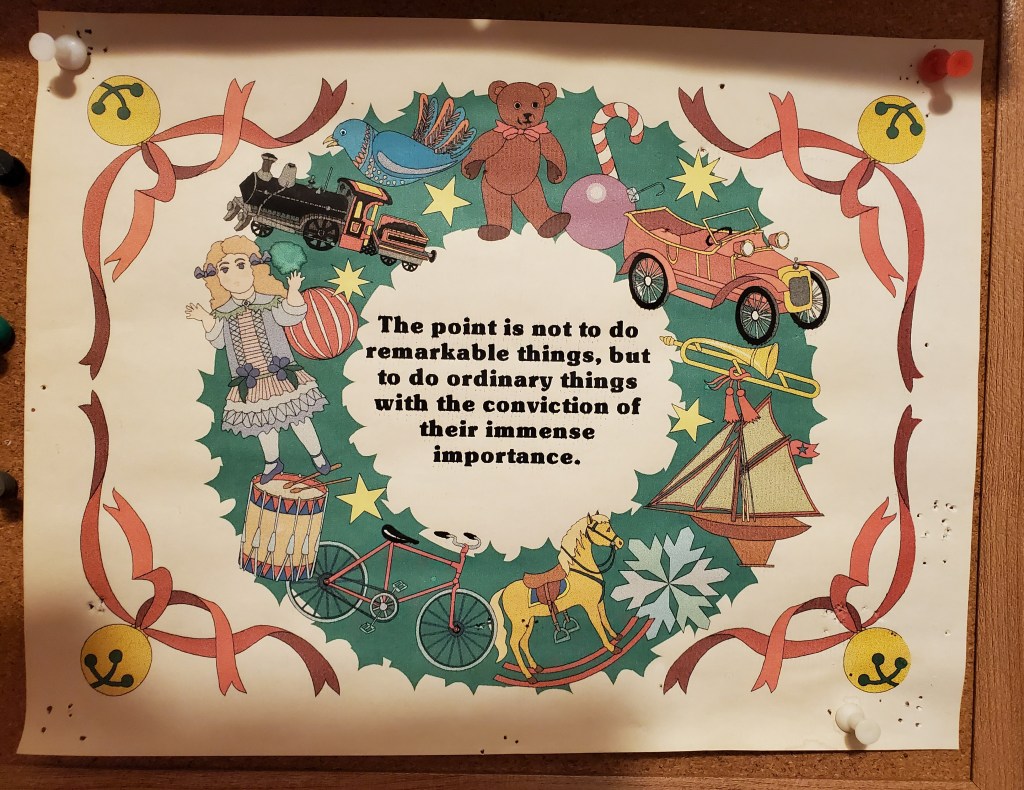
If that doesn’t motivate me to continue to do everything that I can to stay safe and healthy this year I must be missing the point.  Covid 19 has cast a shadow on our lives but whenever possible we have been encouraged to find the joy in our own family story.  My thoughts finally started to take shape when I noticed two very old posters left up on a bulletin board in my empty nester spare room/ office. One was a Print Shop Delux creation of a favorite saying I had made years ago with my first color printer. The other was a good problem solving strategy acquired early in my teaching days that still applies to almost anything. This has certainly been the year of problems requiring a series of evolving solutions. Sounds a lot like life. Once again I am learning that the point is not to do remarkable things each day but to do ordinary things recognizing their immense importance.  Just being there for your children during this pandemic needs to be every parent’s priority.

I am so thankful for my home and family this year.  I have shelter from this storm and people that I love.  Having strong family ties has helped  us get through these tough times.  Sharing experiences within my family bubble socially distanced or virtually has given me comfort, consistency and purpose knowing that I am not alone.  Recognizing the things that I love in life and finding resourceful and safe ways to keep doing them has been a challenge.  But, the joy received is a positively contagious thing for all of us to catch especially during these Covid times.

So how can we focus more on the ordinary things that are so important?  Slow down life isn’t a race it will be more like a marathon.  You need to pace yourself so you can protect your precious cargo and that includes yourself!  Regardless of what stage in life you are at you can’t do everything so stop trying!  That is certainly an understatement as we have been forced to navigate through 2020 trying to stay economically, socially and mentally afloat while remaining healthy and sane!  Don’t lose your inner spirit and drive. Put things in perspective and prioritize based on the consequences of your actions.  You can’t care for others if you don’t take care of yourself first.  Eventually your gas tank runs dry.  I have needed to remind myself often to slow down and think.  We are in a marathon stretch right now.  Conserving my mental energy has been imperative and is enabling me to persevere using common sense to change my habits and follow the required public health regulation with greater patience.  You can’t be a super mom or dad everyday. Focus on the finish line and do the best you can.

Choices will need to be made.  Do overs are rarely an option in life.  There will be setbacks, regrets and hiccups along the way and everyone hits the wall occasionally along the journey and has to regroup.  More than any other global event before in my lifetime this pandemic has triggered the reset button forcing us to make changes and learn new lessons.  Routines and interactions have been curtailed and life has been turned upside down.  Always use your past experiences to prepare and plan for challenges in life.  That has helped me numerous times in the past.  Learn to be resourceful and flexible so you can adapt more readily to imminent or unexpected changes.

Support your family unconditionally.  Don’t underestimate the value of coming home to family.  As you get older and witness or live through more of the bright and dark days that life can send your way you begin to gain a greater understanding of the frailty, the vulnerability and the precious nature of a life.  As we race along further in life we start to consider the consequences of decisions we make or actions we take with a more fine toothed comb. 

Counting your blessings and holding those dear to you close is always a good recommendation.  It’s been hard to do that lately but try to cherish those monotonous, momentous and memorable things you can do especially this year because 2020 will become a “where were you 911 iconic and historic year that will be referenced to well beyond my lifetime. You never know what will be in store for you around the next corner. Covid has unfolded upon us like a giant shadow and put our lives at times into chaos and uncertainty.

What we will enjoy in the future is largely the result of whatever we put into it right now.  It takes patience, commitment and time but consistent effort will reap most rewards.  In time your children will grow into adults as mine have.  Covid will no longer control our every move and rule our lives.  Hopefully your family will have a flourishing relationship and friendship that continues to grow and gives you all strength and support for years to come.  Despite my own parenting concerns and doubts  my children grew up!  Be proud of your accomplishments in life. Taking care of yourself will always help you be a better parent.  Keep nurturing yourself and those you love.  Together you will get through this.

There are restrictions and limitations.  Cancelations and postponements have become the norm.  Things are moving slower. There’s no place to rush to most days.  We have all been forced into a reset mode.  Be patient and take a pause.  I will say it again because it is important to count your blessings and savor your good health.  The pandemic is asking us to show that we have learned and that we can adapt during this intense juncture in the marathon.  There will be times in life when being a team player is necessary whether we like it or not.  This has been such a year.  A collaborative effort is what will see us through this pandemic and so much more planning.

As I continue to shelter at home I am remembering that a life well lived is one where you stay true to your passions and what is important to you. I will keep doing those important ordinary things and continue to be there for my children.  I know that I will need to take a pause some days but hopefully my wisdom and perseverance can lead by example doing what is right to protect my family, those around me and myself during this fight against Covid 19.

Thank you for joining me.

Karen Boschee

Retired Teacher and Parent of 3 Adult Children  

Just Keep Reading

Parents continue to be anxious about how they can support their children’s learning at home during the pandemic. You’ve heard it before, but this simple advice is worth considering once again. Just keep reading! Life gets complicated and sometimes when we are parenting, we need to concentrate on what is most important and what comes easily. Be an advocate for reading within your home. There is a big connection between reading skills and school performance.

Becoming literate begins at home and it takes time and lots of hard work to raise a reader. Parents need to understand that kids don’t just acquire this essential skill at school, overnight magically, or by the end of the third grade. We know that children learn more when they can actively and consistently participate in the learning process. Practice, practice, practice is what will help your son or daughter learn how to read better. Daily reading at home as well as at school can establish positive routines that will have a life-long pay off for your child.

I have fond memories of a special evening early in each school year when my teaching colleagues and I would host a READ IN Pajama Party in our school library. We invited our grade 1 & 2 students and their parents. The kids thought it was cool coming back to school at night dressed in PJ’s. Seeing their teachers and moms and dads all dressed in pajamas too was fun. We read stories aloud, talked about the importance of reading with children at home and then encouraged each family to pick a book and find a quiet corner to read.

Reading is a vital skill. Learning to read well is critical for future academic success. As a now retired elementary teacher I always knew that I was doing important work. My classroom walls had multiple posters encouraging my students to read. “Open up the pages of your imagination and READ! BOOKs are food for your BRAIN. Some of my best friends are BOOKS!” Yes, it was propaganda and important messaging that I wanted my students and their parents to see. Teachers know that parents play an important role in their children’s education and especially with reading.

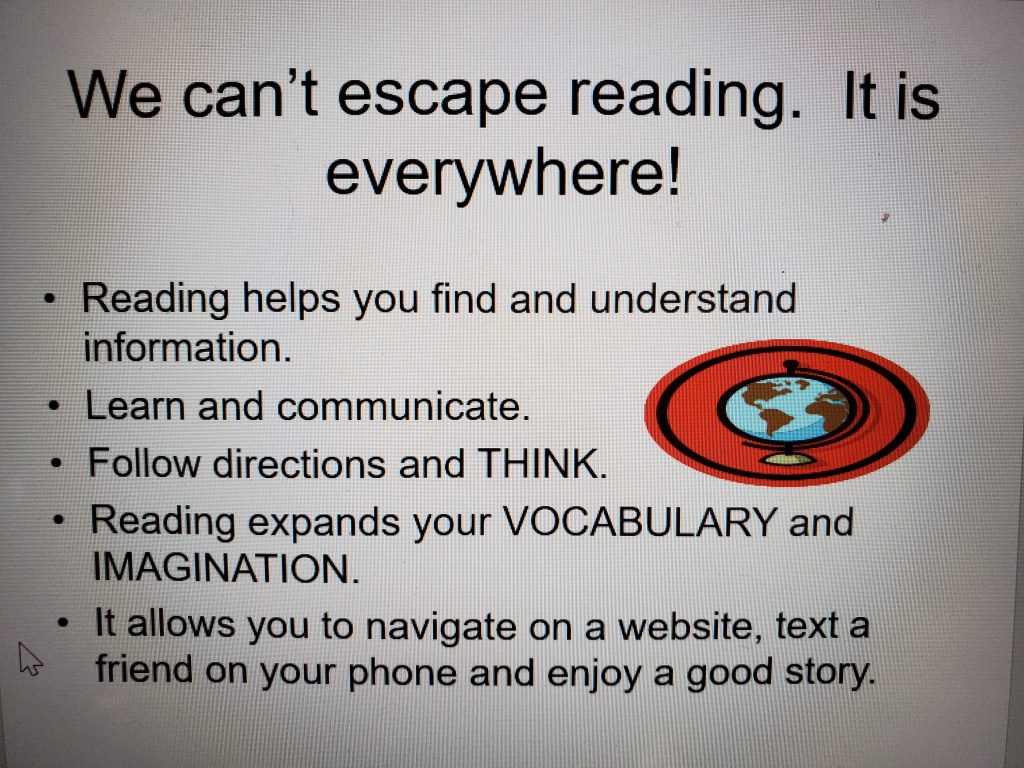
I believe that if you learn to read then you will forever read to learn more. We can’t escape it reading is everywhere. We read for information, to increase and enhance our vocabulary and expand our background knowledge. Reading facilitates communication and fosters thinking skills. It is required to function in society in countless ways from following directions, using a map, reading street signs and advertisements, following recipes for cooking or instructions for taking medications, using a computer, visiting websites and other social media sites and sources, to even just texting a friend on the phone. The list is endless and all of it requires competent reading skills. Looking ahead it is hard to think of a role, a job or a profession that your son or daughter may aspire to that doesn’t require literacy skills.

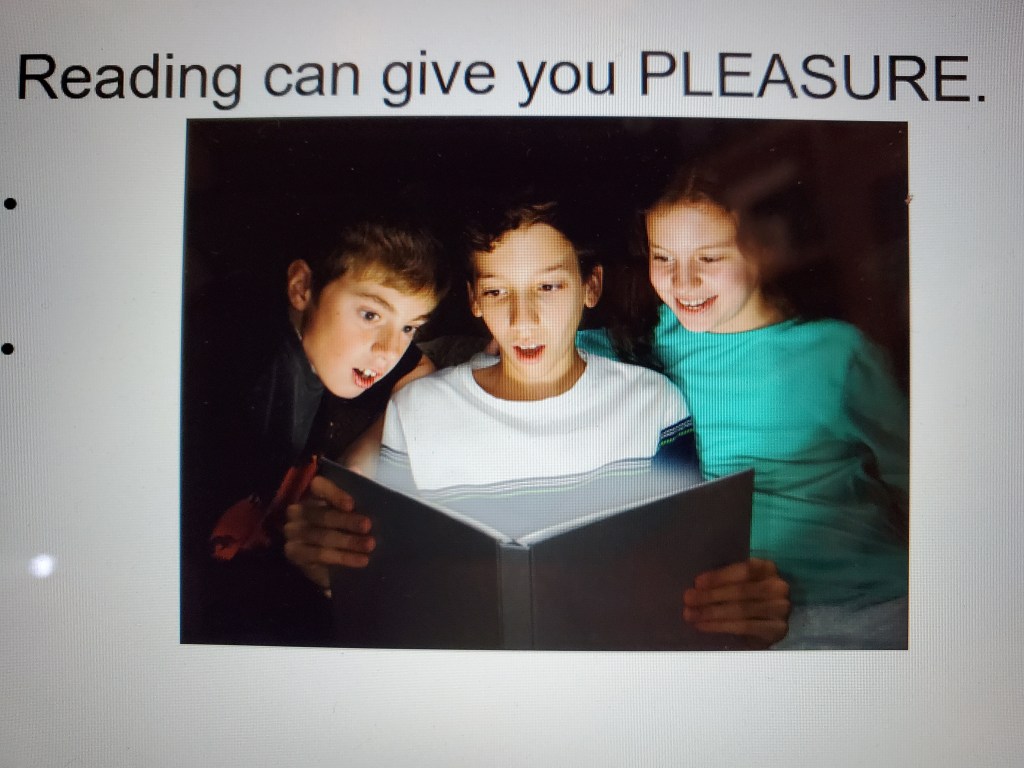
So when you feel tired or frustrated with this Covid schooling year just keep reading. Home reading programs are part of most elementary language arts programs aimed at encouraging children to read beyond the classroom. Developing a love of reading and an appreciation for books at home is a bonus because reading can also give you pleasure and be a source of relaxation. For some people and children too, books can be a calm, safe and comforting place to go.

Speaking from personal experience as a parent of three girls, now adult women and still avid readers. I really believe that reading can help build relationships and make memories, too. Reading together gives closeness with your child and is a relaxing positive way to spend time at home. At the same time you are providing more literacy experiences. Someday they may share favorite books with you and hopefully go on to share that love of reading with their own children. We all know that kids and parents alike can benefit from all the love and support they can give each other especially during these challenging Covid times.

Books are not toys but children should enjoy being around them. There is still a collection of old favorites filling a bookcase in the basement of my home just waiting for another reading someday. I think we had the entire set of 1990’s Berenstain Bear and Franklin books. The Magic School Bus books taught us so much about life and the world around us. Arthur and his faithful friends took us through the trials and tribulations of growing up. Every season and holiday had its favorite stories. The witty rhymes of Dr. Seuss and the beautiful illustrations of Jan Brett and may other gifted authors and artists were timeless.

Choosing the books and settling in on the couch for bedtime reading was a must in our home. I regret that at times this busy working mom was almost too tired to read aloud and I may not have embraced the specialness of each evening spent together but it was a routine that was maintained. One daughter to this day still reads at bedtime or other quiet times during her busy days. Not me sadly at this age! It would put me right to sleep but I still plan for regular reading time during my day. Even when my daily schedule was very full and hectic I always had a book with me that I could pull out because reading can take you away for a few moments when you just need to take a break.

We also visited the library regularly and spent lots of time browsing through bookstores. As the kids got older reading together at coffee shops was a special time that I enjoyed with my daughters. Harry Potter generation kids who are now in their twenties and thirties still love those books and the subsequent movies. They remember from childhood eagerly awaiting each new book in the series, standing in long lines at the bookstore to purchase them and then taking turns reading them over the summer. It was a big deal! Those are powerful memories. It’s still like comfort food for their brains.

Then there was the Twilight craze that hit the bookshelves and and silver screen. We all read them including mom! I chuckled recently when my youngest daughter texted me to ask if we should go together to purchase the new book that had just been added to the series written from a new perspective. At the age I am now I did have to tell her that perhaps I would pass this time on the Team Edward vs Team Jacob and Bella classic love story, but she could share her impressions with me anytime. All these years later sharing what books we are reading and what is new or popular at the bookstore is still fun.

When I was teaching storytimes were part of everyday at school. My afternoon class always started off with a read aloud time, often a chapter book whose plot twists and turns would unravel over several days as the kids settled in after lunch recess. Sometimes less is more and kids appreciate when it is easy for them to enjoy the learning. Reading aloud models fluent language for children in a simple and calming way.

Reading is so much more than just sounding out words. It is a complex thinking process. Parents and children practice their listening and communication skills while reading. It’s an uncomplicated way that parents can truly build on what their child knows to facilitate new learning. Just keep reading but remember to check for understanding, too.

Making connections and building meaning is so important for understanding to occur when listening or reading. Teachers ask their students to make predictions and compare or contrast all the time. Character analysis and problem-solving tasks are part of every school language arts program. The 4 R’s are commonly used to check for understanding. Recall, retell, reflect and relate. These processes get children to use increasingly more complex thinking skills.

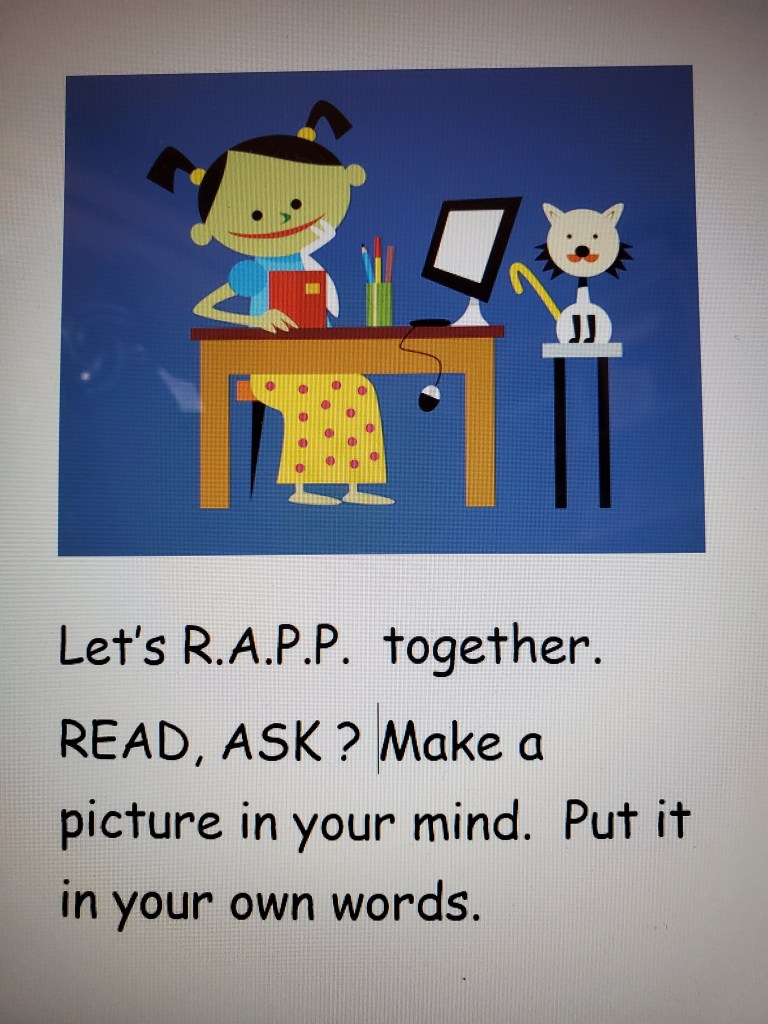
Teaching reading is a learned skill, but parents can participate in the process. With my grade 1 & 2 students I developed a simple acronym “Let’s R.A.P.P” to promote good reading comprehension. READ it. ASK questions. PICTURE it in you mind. Then PUT it into your own words. Simply said think, talk or write about what you have been reading. There are ways that parents can support their child’s learning. Try adding to your own toolbox and bump up some of your storytimes with more discussions and other literacy-based tasks when reading aloud with your children or when your child is reading to you. But, keep it stress free and fun.

If you learn to read well, then you will forever be able to read to learn more. So, parents during these unprecedented Covid times hold your children close and just keep reading! That will help support all school learning. Let your sons and daughters see you reading, too. This is something that is important for all kids to grow up with. Remember that this is your home not school so be patient and accepting of their attempts at reading by giving them positive feedback and gentle prompting. Don’t expect perfect reading especially from young children. Instead put the emphasis on the understanding that is crucial and the LOVE of READING that may last a lifetime.

Thank you for joining me.

Karen Boschee

Retired Teacher and Parent of 3 adult children

Staycations and Road Trips

Reminisce and reflect with me.

Rewind staycations 8

Every year during August vender trucks start appearing in our city and setting up shop in the corners of neighborhood retail parking lots.  Big bold signs advertise their renowned corn and where it is grown in our province.  When the trucks come, urbanites flock to them in droves.

You can find corn growing in many places across this vast country or buy it at the grocery store.  But, one summer in nineteen ninety something after one of my young daughters again requested corn on the cob along with cake for her birthday dinner, we decided to show our kids where that delicious corn was really grown.
Rewind staycations 12

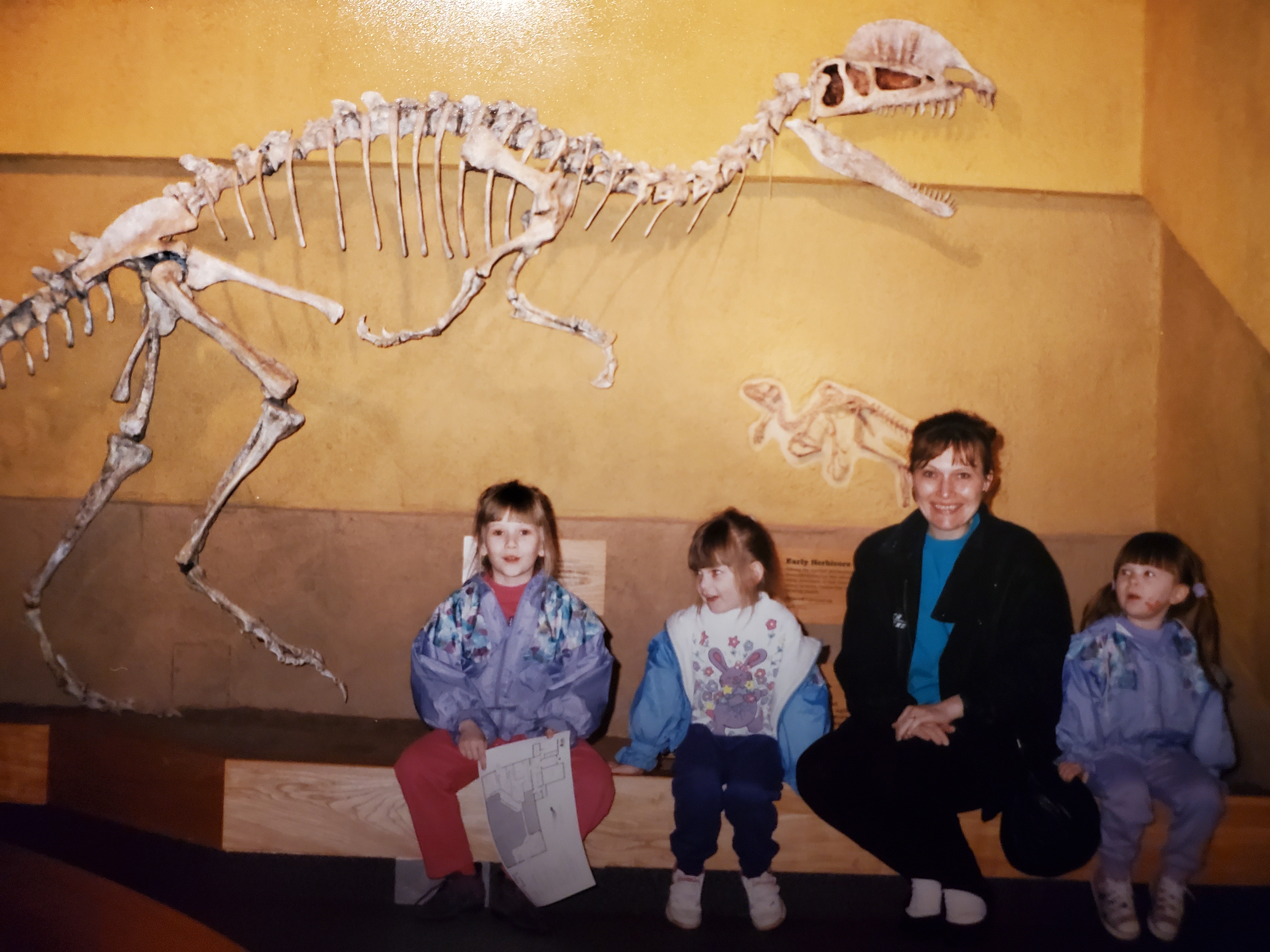
Our family of five squished into our crowded sedan and hit the highway for nearly a six-hour drive, yes still in our own province!  Such a simple idea that made a little girl incredibly happy and a cheap summer road trip that still sticks in my mind all these years later.  Even though I can’t find that photo I remember the moment when we stopped along the highway, climbed down into the ditch to marvel at the height of the corn stalks and the sheer expanse of the farmer’s vast fields to pose for a family photo.

Rewind staycations 10

Long before and without pandemic restrictions, staycations and road trips were what our family could afford and all the time we could take in our busy working lives for holidays.  We live in a beautiful province in Canada as many of my readers do.  Camping was never our thing but there were  always plenty of places and home-grown experiences that we could explore. By the end of the decade our newly acquired mom-mobile mini van was welcomed into our family and became our primary mode of travel.

Rewind staycations 15

Even within our own city we supported local tourism sites, attended arts and cultural festivals and made good use of hiking/biking trails and other public parks and recreation amenities.  Indoor gyms and play rooms, a novel new idea back then, were just starting up.  The zoo, our library summer reading programs, day camps, and YMCA swimming lessons were favorites.  TGIF on TV, big summer Disney blockbusters at the movie theaters or local video store visits so each kid could pick a VHS tape for movie nights were great summer homegrown sources of entertainment for our children.
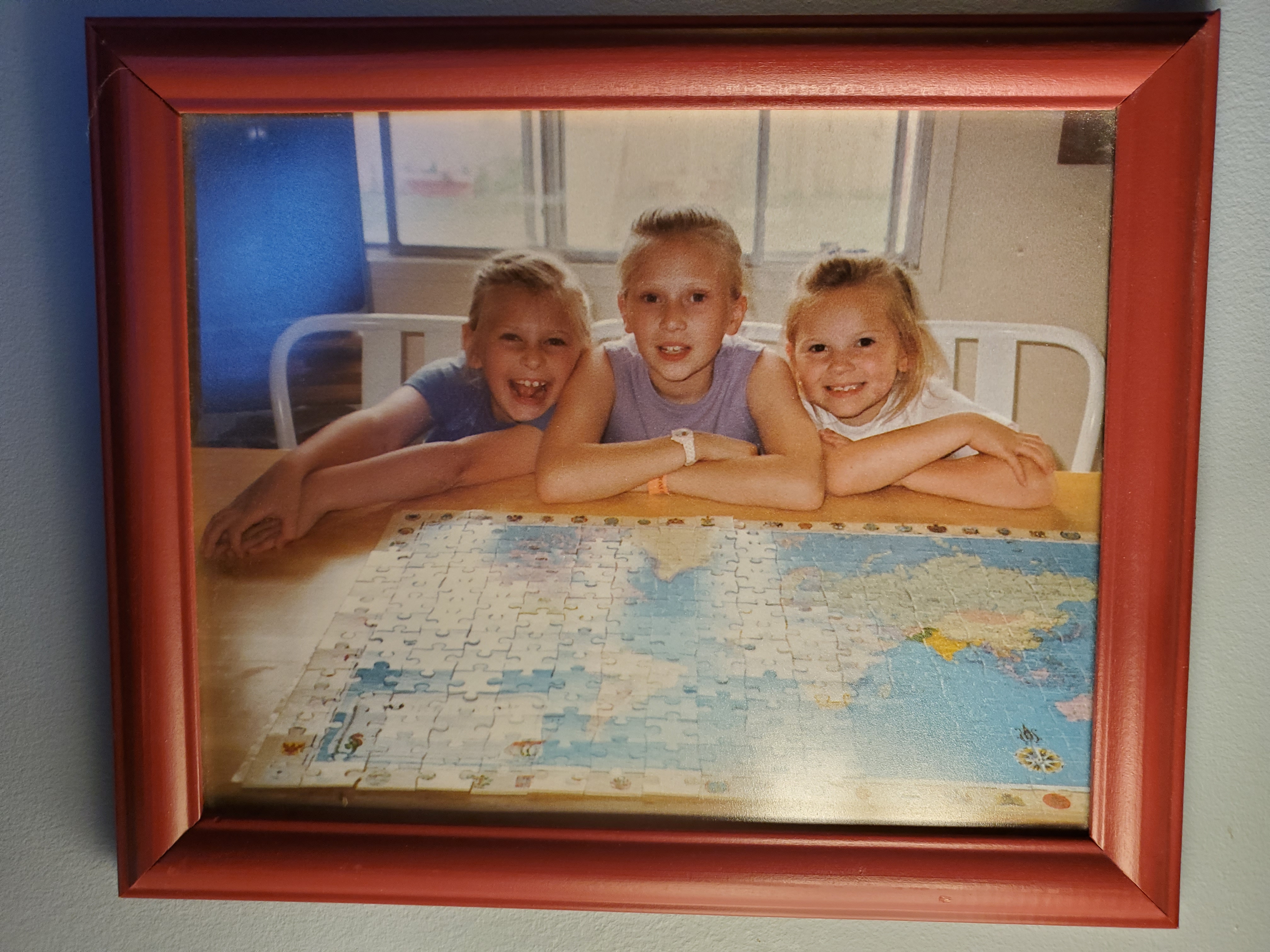
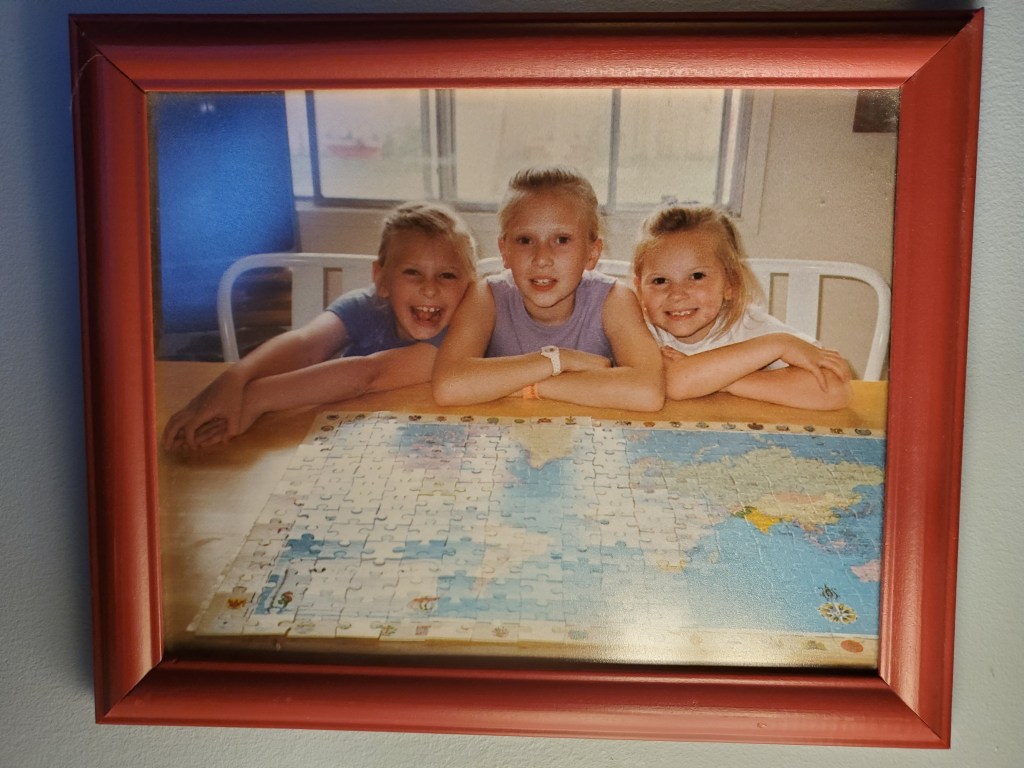
Rewind staycations 1That old jigsaw puzzle of the world was a favorite challenge sitting at the dining room table for my girls.  It still sits on a shelf amongst the retro board games from years gone by that bring us happy memories of a world with simple pleasures for children.  During the childhood years staycations and road trips were how our family spent most summers. That’s all my kids had for adventures until they were teenagers.  And, it didn’t hurt them one bit!  My adult daughters have all traveled since to places around the world and have many memorable experiences that they will carry with them for life.  
Rewind staycations 5

Simple pleasures that are meaningful and fun are what kids want to do.  Three small yellow and red life jackets still hang from the rafters in my basement. When children are young, they love to be active. Finding them a pool to swim in or a playground to explore were the summer activities they appreciated the most.  Those life jackets got a lot of use at hotel water slides, the YMCA and a huge waterpark that we visited frequently.  When I see them, it brings back pleasant memories of summers gone by.

Rewind staycations 7When your kids are happy and engaged parents can relax and enjoy more of their own down time.  I’ve hinted about this in previous postings and hindsight soon brings every parent of adult children to the conclusion that the gift of time spent with your children is what you will both appreciate more in the future. 

Raising children can be a remarkably busy and demanding time in our life. It will always be important to take time away from work and routines.  Vacations and holidays can improve physical and mental health, strengthen relationships, increase our motivation and performance, and give us a break in life so we don’t burnout.
Rewind staycations 9

But vacation sabotage is a real thing especially when you have children in tow.  Recreational time that is too full of to-do list and obligations nullifies any positive benefits of rest and relaxation and sounds a lot like work, doesn’t it!

Rewind staycations 13

Personally, I am a homebody and the process of packing for any trip is stressful.  Some people just love to travel.  I have never felt like I needed to leave home to be able to fill my time with pleasurable activities.  This point of view has not been shared by all the members of my family.  I do remember returning to work exhausted and irritable instead of feeling rested and energized after many long weekend and holiday breaks.

In time individuals learn what kinds of vacations feel right for them.  But, for young children in a family let’s face it they are just coming along for the ride and that in itself can be problematic if you don’t keep it simple and fun.

Embrace the staycation and think local when you can.  Maximize family fun time rather than travel time.  But when travel is calling you and you have a destination in mind or maybe you are planning to visit grandparents, relatives or friends here are some suggestions from the experts.

Rewind staycations 11Think about what makes you feel good and examine what you genuinely want to do that will make you feel relaxed, restored and regenerated.  Taking time for recovery will enhance your resilience and success in life.  By taking time to fill our own tank you can avoid burnout.

Start to gear down your brain ahead of time with mindfulness activities that will help you disconnect more and reduce your stress.  Try to reduce your online dependence.  Habits of the mind are not easy to break in the few days of vacation that we may have.  The saying “stop and smell the coffee!” comes to mind once again.  Words of wisdom.

I can remember many times dragging school marking or lesson plans with me on the weekends and on holidays. In hindsight that seems so counterproductive and sad.  That was time that I did not focus on what was most important and participate more with my family.
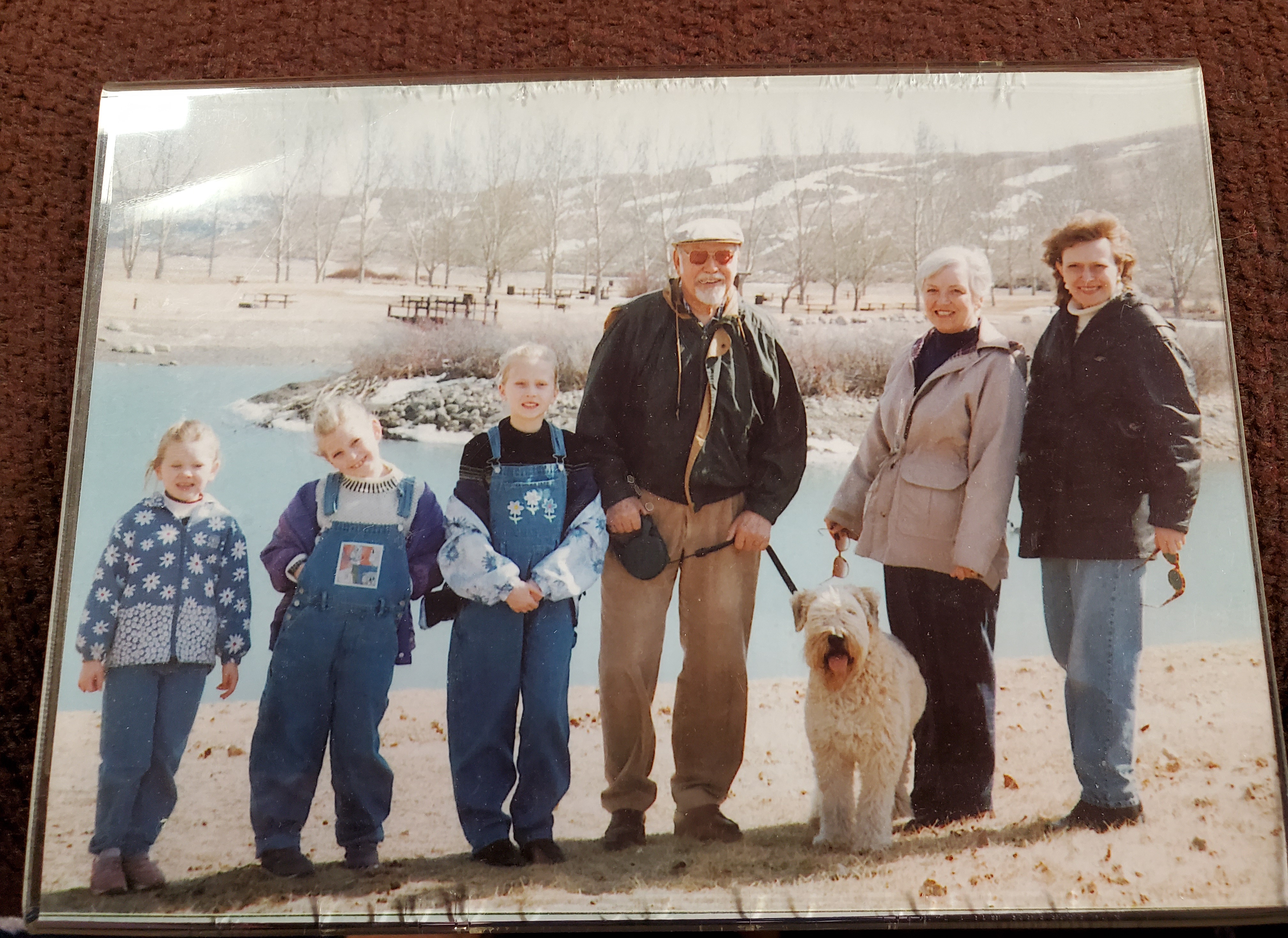
Rewind staycations 2

Don’t ruin your vacations by taking work with you believing that you are going to get caught up!  How relaxing can that be?  How much fun is that for those around you?  Focus on you and your family and your holiday time together.  Stop worrying about what you are missing or not getting done. 

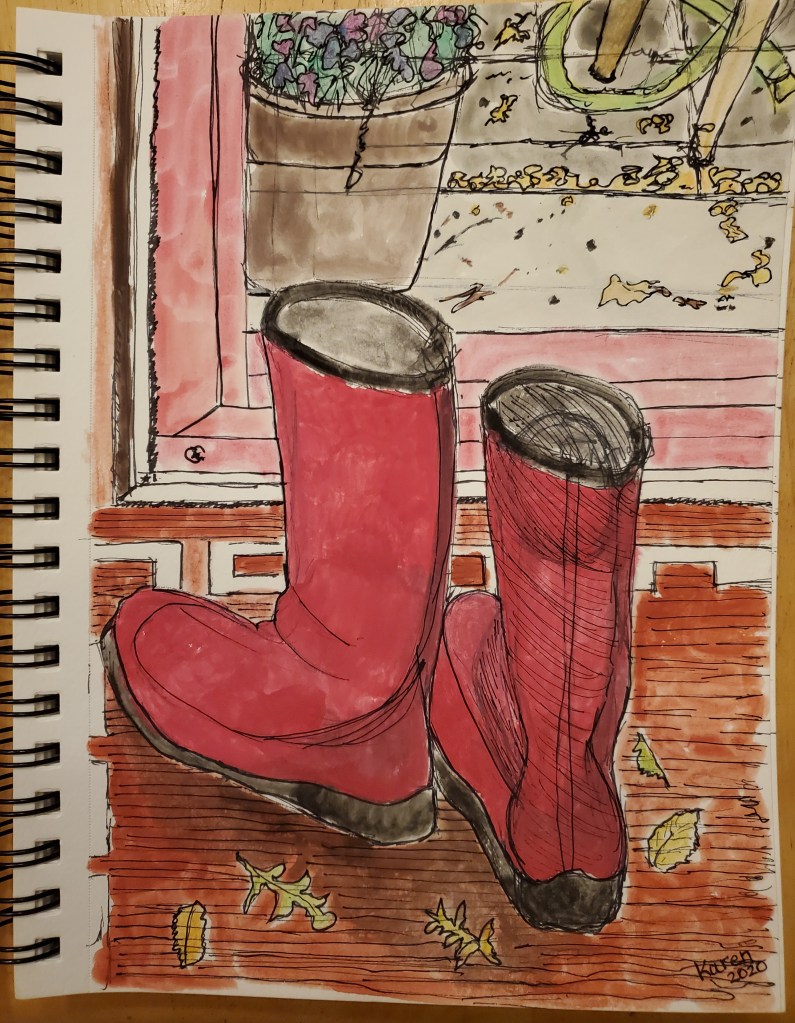
Now in retirement, which is perceived by many as the big vacation, I find that I often still put pressure on myself to keep being productive and maintain my routines.  I fill my schedule with tasks and obligations.  Work is something that becomes ingrained in our minds and yet currently my most happy days almost always have included times when I have been riding my bike, walking my dogs, doing my artwork, reading a good book, writing my blog or spending time with my family or friends.  These are things that I genuinely like to do and now finally I have more time to do them.
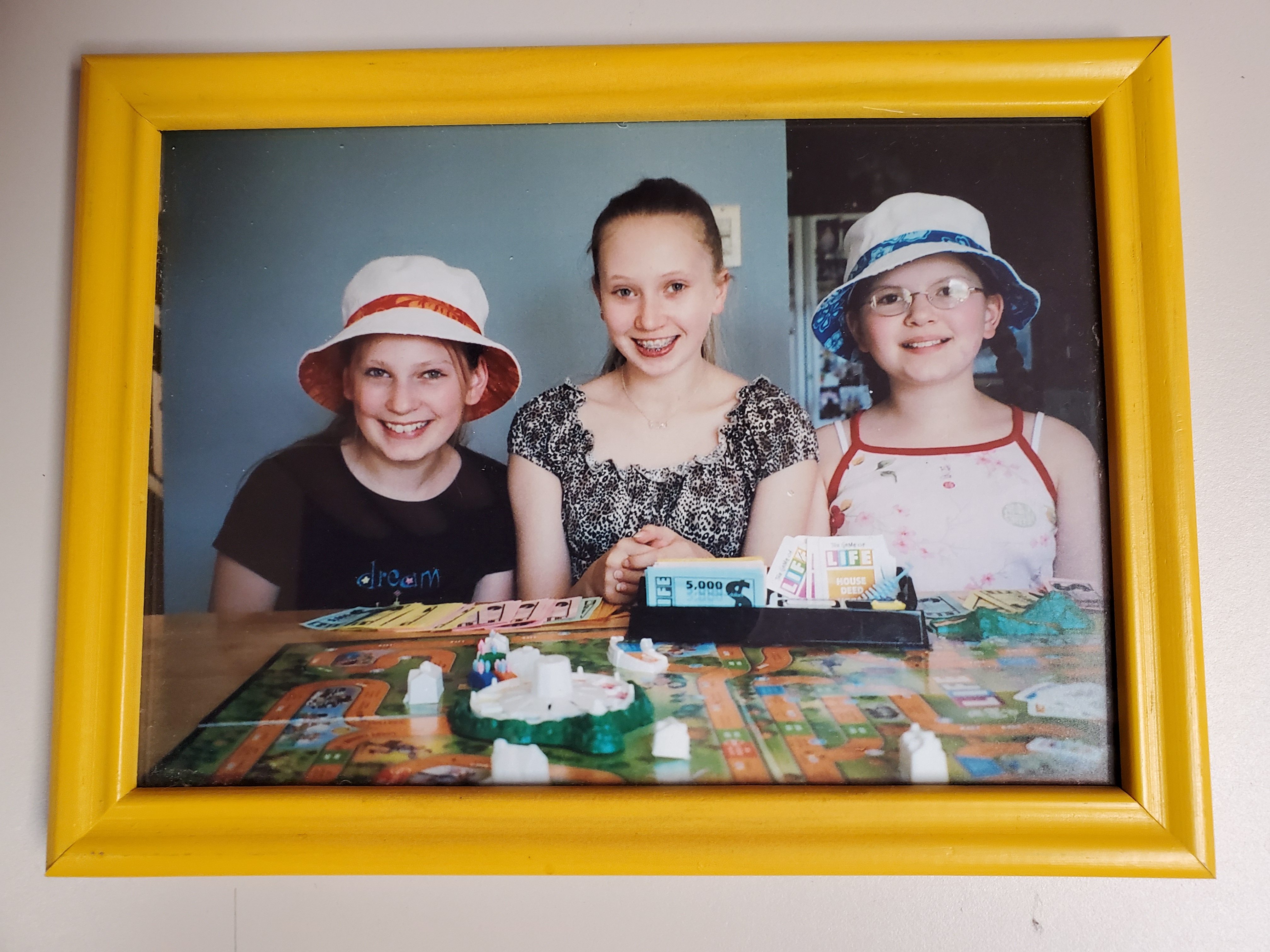
Rewind staycations 3Back in nineteen ninety something I may not have fully understood the importance of resiliency and rejuvenation, but I did know that sometimes less could  feel like more.  So, a three-day long weekend, a staycation or a short road trip with children was far less stressful and much more relaxing and fun because you didn’t have to plan and prepare with such manic intensity.

Rewind staycations 6

Wherever your staycation or road trip takes you this summer make it easier for yourself.  When you get there sit down and pick up that book you’ve been wanting to read while you keep an eye on those precious little ones doing what is fun for them.  Favorite books saved for summer reads, have joined me on my holidays over many years and now adorn my bookshelves creating good memories themselves.

Understanding that simple pleasures that are meaningful and fun are what kids really want to do is important because when they are happy and engaged you can relax and enjoy yourself more.  Unfortunately, it takes time and wisdom to grasp this concept because life’s complicated and we often tend to make it harder for ourselves than it really needs to be.  Time however marches on so this summer especially, focus on your family and what you want to do together to feel happy and regenerated.

moosie blog 

Thank you for joining me.

Karen Boschee
Retired Teacher and Parent of 3 adult children 

Additional reading suggestions:  https://www.forbes.com/sites/sarayoungwang/2018/07/05/how-to-actually-have-fun-on-vacation-and-return-to-work-refreshed/#54c6ad3e17f8

https://www.alinahealth.org/healthysetgo/thrive/importance-of-taking-vacation