


With Covid-19 still wreaking havoc on all our lives I am particularly concerned about children living with immunocompromised family members during this pandemic. I have been a strong advocate for children’s mental health and wellness as both a parent and a teacher. So let’s talk about a young child growing up fearing every day that she would get sick and bring that illness home to a beloved parent. That was my own experience living with a chronically ill and eventually terminally ill parent.

I can imagine how stressful it must be for children navigating through daily routines amid Covid precautions and restrictions. Seeing red cautionary flags everywhere you go and in everything that you do almost without exception would be frightening. That’s a lot for a child to handle. When I was young it had a profound effect on me and left me with insecurities, odd little habits, lasting fears and phobias along with anxiety issues that although I have managed throughout my adult life remain the elephant in the room.
One of the biggest factors contributing to mental health problems is living through traumatic and negative life events. This unprecedented pandemic has been difficult for everyone and changed just about everything in our lives suddenly. Fearing germs and getting sick exaggerated and perpetuated over a long time will surely exacerbate anxiety and the development of more serious mental health disorders.
Knowing what I know now I can attribute many physical and emotional things in my past to anxiety. I grew up not only being afraid of getting sick but feeling guilty when I did get sick and had to be isolated feeling ostracized and alone. In retrospect I realize that the stress itself was also making me sick. Virtual learning has been a fortunate advancement for some of today’s children during this pandemic, an inconceivable option all those years ago. But I see the parallels as children with immunocompromised family members have learned that Covid is something awfully bad that everyone around them is fearing and protecting themselves from. It is undoubtedly creating immeasurable stress in their minds which could lead to serious anxiety disorders.
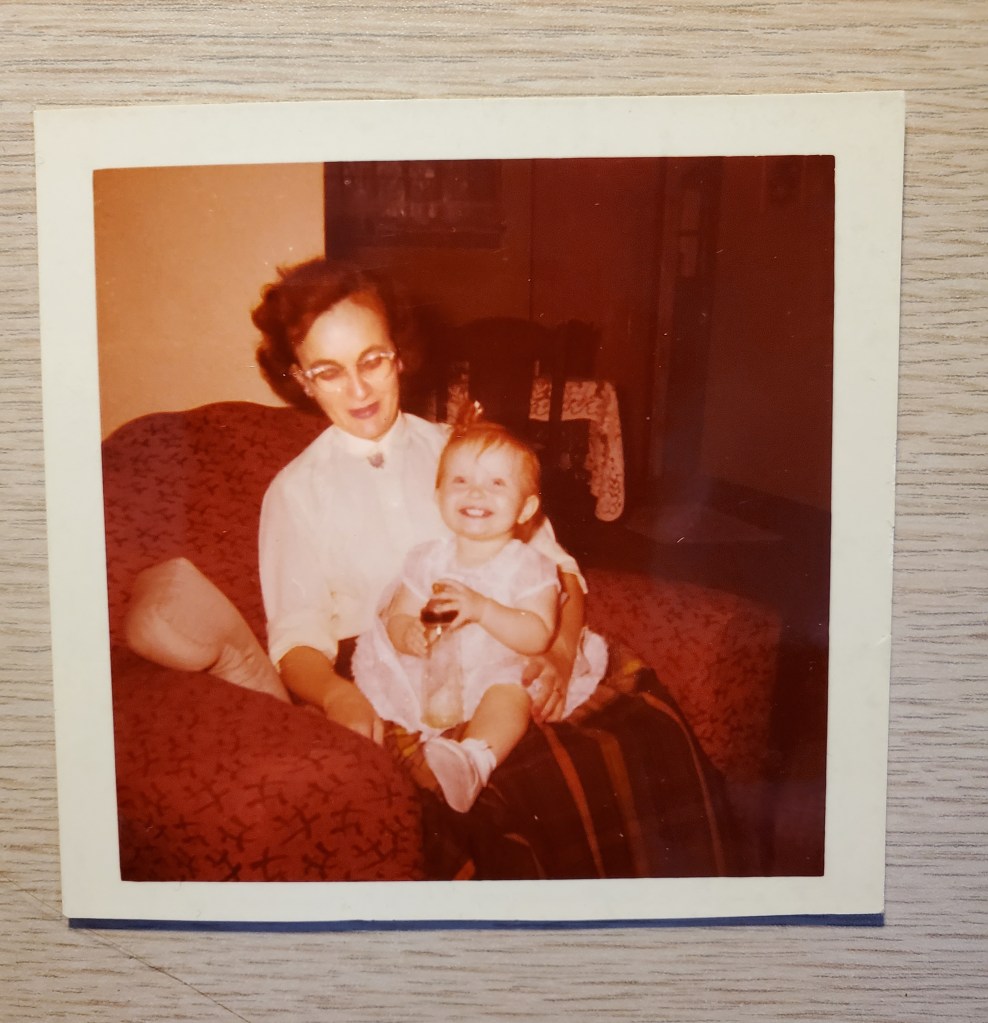
As I grew a bit older, I rarely talked about the serious problems we were experiencing at home with my mom’s declining health. In those days, things like that were kept private and sadly mental health issues didn’t warrant much concern. I know that I also didn’t want to feel the stigma of being different. I so yearned to live a “normal kids” life so I tried to hide my anxiety not always successfully. My parents did the best they could, but they were fighting their own inner battles and just trying to hang on and cope day to day. Terminal illness has it ups and downs and my mom eventually lost her battle with cancer after a seven-year battle. By then I was a teenager. I still rarely talked about my home situation even with close friends and never with teachers. I ask myself now why? I just soldiered on carrying a heavy load of anxiety.
We all need to be sensitive to and aware of the “cries for help”, changes in behavior, trouble sleeping, outbursts, attachment issues, fears, self-doubt any signs that children at risk may be struggling even when they are subtle. Children are unique and do not react and reason in the same way. Some children will be more resilient than others, think more positively, and have stronger support systems when impacted with negative life events and circumstances like this pandemic.
But, not all homes are created equal. The truth is we don’t always know what children are living with. We need to listen and learn. Provide them with compassion and support. It is so important to encourage trust, transparency and communication with all children. You may recognize mental health issues for what they are and other times be surprised by their existence and the root cause.

It doesn’t matter what age, gender, ethnicity or social class you are, there are immunocompromised individuals living amongst us all and many of them are parents. Think for a moment about the lives of children who are worrying constantly about their own actions, interactions and exposures with Covid. Compound that with being unable to control the behaviors of others and the environment around them and fearing the possible consequences. You have a recipe for increased mental distress.
Mental health problems occur when thoughts and feelings such as sadness, worry, anger and fear continue for a long time. When they intensify or become possibly inappropriate or overwhelming it can make it difficult for children to function at home, at school, with their peers or within the community. In these formative years if emotions get mixed up and out of control everything to learn and experience in life gets harder. Mental illnesses like anxiety disorders or depression should not be ignored in children.
We all should become more literate in mental health awareness so that we can promote good self-care and know how to access and recommend professional support when it is appropriate. We need to teach children to identify, understand and express their emotions so that they will be more able to communicate what they are feeling to others. Not all issues can be easily resolved but helping a child obtain support and regain a more positive perspective on life will strengthen their coping skills and allow them to become more resilient.
Listen supportively without judgement and tell them that help is available and that things can get better. Ultimately every child needs to feel loved, understood, appreciated and valued. They also want to feel that they are connected to their friends and classmates. Communication is so important when dealing with a child having emotional issues like anxiety. Seeking out help from mental health professionals likely would be a positive move for any family dealing with big issues especially during this pandemic.
The reality is that some family circumstances are out of our control and they will impact our overall well-being and that includes our mental health. Sometimes help is needed. Teachers, school staff, and coaches along with parents are usually in the best positions to notice when a child is struggling with mental health issues. But with pandemic disruptions and restrictions, fluctuating in person and virtual at home learning plaguing this past school year vital connections and lines of communication have been diminished in their effectiveness. I worry that this may worsen things for children and adolescents who are left dealing with difficult issues on their own feeling stressed and alone.
The elephant is in the room for many. To maintain the mental health and wellness of children should always be a priority and a responsibility that we must fulfill. But sadly it will be yet another huge challenge during this pandemic.
Thank you for joining me.

Karen Boschee
Retired Teacher and Parent of 3 adult children
 Hindsight is Always 20/20! Parenting tips.
This was beautiful Karen. Your ability to be honest and vulnerable will help others. I know in my own experience with mental health issues I’ve realized how much my mom suffered. I’ve had my own issues and so have both my kids. It’s complicated alright. I feel like being retired especially with Covid had given me a lot of time to reflect. Thank you for being so brave.
LikeLiked by 1 person