


How could a 9-year-old child die by suicide? That is the question many parents were asking themselves when headlines reporting the death of a young Syrian girl surfaced earlier this year in Alberta. Having raised three children of my own and having taught many children including ESL immigrant students just like this Syrian girl I found this tragedy alarming.

I have written previously about recognizing the signs of mental health issues and illnesses in children. This was a very sad and extreme example of why it is so important. Although suicide has not touched my own family directly, I am reminded of a student that I taught in elementary school many years ago who during her adolescent high school years attempted suicide. How did that happy child that I knew get to such a deep dark place in her young life?
 Most parents know and accept that they are going to be given the responsibility and lead role regarding their children’s health and well-being. They enroll their kids in good schools. Love and care for them. Give them a variety of experiences. Sign them up for sports activities. Provide them with medical, dental and vision care. Save for their future perhaps post-secondary education. Perhaps spend a fortune on braces and a litany of other things. Read together. Give them hugs and jump through hoops for them.

Parents can see how all that is contributing to the growth and development of their son or daughter throughout childhood and adolescence. But, how are they really feeling and how are they coping with daily life? Don’t forget to advocate as well for good mental health! This is what parents cannot see as easily. It may be hidden within, camouflaged, misinterpreted or misunderstood even by those people closest to them.
Parents and teachers need to be sensitive to and aware of “cries for help” from the young people around them. Suicide is never a random act. Look closely when deep dark feelings settle in because the risk factors and warning signs will be there.

Children or adolescents who consider or attempt suicide desperately want their life to change and get better but can’t find a way to cope with their problems and feelings of despair.
Sadly, at this young age many children do not yet have a realistic or accurate understanding of death. This 9-year old girl may have wanted to stop the pain and gain more control in her life. She may have wanted attention and empathy from significant people around her but may not have expected to really die.
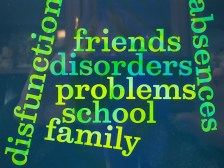 Children who have been through life-changing events or are grieving a loss have a greater risk for mental illness. It is not a stretch to predict that many immigrant or refugee children entering our school systems are struggling to fit into an unfamiliar sometimes not very accepting new culture. They are learning a new language and some may have come from traumatic environments. At the same time they are missing their home, family, friends and everything that was familiar to them. This surely is a recipe for stress that may challenge their self-esteem, resilence and positive thinking.

Environmental factors, life events and specific character traits can make children and adolescents more susceptible to mental health and wellness issues. Living in a dysfunctional family with conflict and lack of support are obviously huge sources of anxiety and distress.
The inherent nature and prevalence of ADHD (Attention Deficit Hyperactivity Disorder) and FAS (Fetal Alcohol Syndrome) with the characteristic impulsivity and inability to learn or clearly understand the consequences of choices or behaviors is a concern when considering the state of mind and mental health of many young people.
Gender identity issues make LGBTQ youth more at risk. A history of self-harming behavior or substance abuse increases that risk. Indigenous adolescents are also over represented in deaths by suicide.
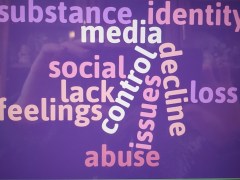 When children or adolescents are feeling that they are not fitting in or if they have become a victim of bullying or cyberbullying this can create an overwhelming cycle of self-doubt and despair. Risk factors and causes can compound together to intensify the deep dark feelings of hopelessness and loneliness.
Mental illnesses like anxiety, depression, bipolar disorder, eating and conduct disorders carry a higher risk for suicide. The word disorder speaks for itself, when things in life get out of control and emotions get mixed up it makes it harder to think rationally and positively. Adults or children in this situation may struggle to solve problems, make decisions and take appropriate actions.
 Look closely because early symptoms of mental health disorders may be starting to emerge in a child’s life making it harder for them to function at home and school. Some signs may be subtle or misinterpreted. Adolescents especially may find it easier to express their feelings on social media. This is where they can search out information about suicide and be influenced by others in chat rooms.
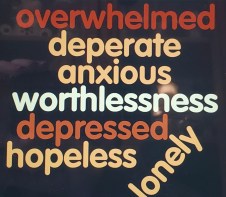 So, what can parents do if they believe that their child is suffering from serious mental distress, pain and unhappiness that could lead to self-harm? Immediatley seek out help from mental health professionals who can assess the immediacy of the danger risk for their son or daughter. Doctors and counsellors can take action and provide the appropriate intervention. A longer-term treatment plan can be initiated that will likely include medication and therapy.
 Uncovering and understanding the factors that are causing a child or adolescent to have such deep dark feelings and potential suicidal thoughts and behaviors is crucial. Resolving issues and helping them to regain a more positive perspective on life along with strengthening their resiliency and coping skills is the goal of any intervention.
Communication is so important when dealing with all children. Listen supportively and non-judgmentally. Tell your child that help is available and that things will get better. Try to avoid leaving them alone. Express your concerns about their health and safety but be honest about confidentiality issues because you will need to seek out additional help for your child.
 Ultimately a child needs to feel loved, understood, supported, appreciated and valued. That is a parent’s role and responsibility. This process should involve all family members and other significant people in the child’s life like teachers and friends. Creating a safe, supportive, accepting and inclusive environment for children in the home and at school is imperative for good mental health and wellness. Don’t underestimate the role that social acceptance and peer relationships play in fostering or sabataging our sons and daughters social and emotional well-being. Children want to feel that they belong and that they are connected to their friends, classmates and the school community.
 We don’t have a crystal ball and can’t possibly predict all that may happen in our children’s lives. By helping them to identify and express their feelings from a young age we can reduce the risk that deep dark feelings may persist and lead to mental health problems. Children need to experience coping with stress and conflict in life so that they can learn from these situations how to communicate what they are feeling to others and become more resilient.

Suicide is very rare in younger children but that doesn’t mean that they are not susceptible to serious emotional upsets.We are all social creatures and for most children and adolescents distress at home and at school is linked to relationship problems with family and friends.
If you do have a child who has a diagnosed mental health disorder monitoring and managing of this illness is going to be an important long-term responsibility to avoid serious relapses or escalations of this chronic condition. These parents carry their own deep-down fears that they will discover one day that their child no longer wants to deal with the struggles and pain that they are experiencing, and you have not been able to prevent a possible tragic result.

How could any child die by suicide? That is the question parents need to ask themselves. Deep dark feelings can make any child feel vulnerable, defenseless, easily influenced, broken and at risk.

Children who find themselves in such a dark place obviously needed help long before they reached that crisis point. When parents accept that leading role to be responsible for their children’s basic needs and good health they also need to remember to always be mindful of their mental health and well-being.
Thank you for joining me!
Karen

If you want to read more on this topic here are some websites for you to visit.
Children and Suicide – Centre For Suicide Prevention https://www.suicideinfo.ca/resources/not-a-child/
10 Things Parents Can Do to Prevent Suicide – https://www.healthychildren.org/Enflish/health-issues/conditions/emotional-problems
Suicides Under Age 13 – https://www.cnn.com/2017/08/14/health/child-suicides/index.html
Suicide and Self Harm – Key Issues in Reducing Risk and Preventing Harm – https://mylearningspace.wlu.ca/d21/le/content/263204/viewContent/159281/view

