

 Thriving successful children are enjoying life and feeling confident and secure about themselves. They are making friends, being included and participating in social activities. They are making progress and learning at school. Working and playing well with their classmates. Growing and developing children communicate effectively with others and cope well with life’s challenges. They show resilience and demonstrate growing independence and problem-solving skills. They consistently behave responsibly, respectfully and compassionately.

That is what we want our children to show us at home and at school. But every child is an individual and can hesitate, stumble or fall in any one of these areas and give parents an indication that something in that child’s life is not quite right. It may start out as a small hint but over time can become a much bigger signal that there could be a problem. For some children it may be a mental health issue.
 Don’t ignore the signs! It is important to understand that people of any age can experience mental distress and that there are different kinds of mental illness that children and adults can develop. If you observe changes in patterns of behavior and sense that there may be an issue with a son or daughter do the right thing. Dig deep to find the root of the problem and then seek out appropriate help for your child.
 Sometimes thoughts or feelings can become overwhelming for a child and make it hard to carry on with daily activities at home and school. Mental health problems can occur when thoughts and feelings such as sadness, worry, anger and fear continue for a long time. Family and other social interactions can become difficult. The signs may be subtle and easy to miss or misinterpret. Some children are more likely to hold in their feelings leading to emotional problems like depression and anxiety. Other signs may be more obvious red flags that are hard to ignore and interfere with family life, friendships, school achievement and work habits. Some children act out by displaying inappropriate and disruptive behaviors.
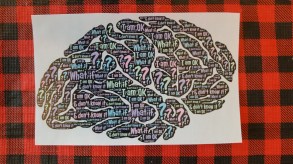
Experts agree that early diagnosis and intervention is very important. Mental health literacy is so important. Parents are not qualified to diagnose mental health disorders, but they do play a crucial role because professionals rely on their observations when identifying disorders and recommending a treatment plan. It can become a special need of a child just as real and important as a cognitive or physiological condition or disorder. It can become a huge challenge and a delicate balancing act to manage. All parents need to become more informed and aware of the long-term effects and consequences of mental health issues and learn how they can make a difference and help their son or daughter.

Fortunately, mental health issues and the impact that they can have are becoming much more recognized and accepted these days and this is a big step in the right direction.
Mental health is influenced by your attitude. How you think and feel about life. Your self-esteem. How you feel about yourself and the life you live. Your coping skills. How you solve problems and deal with stress in your life. Your resilience. How you deal with challenges and difficult situations in life. Finally, your perspective. How you see and perceive your future will be. All these things will influence how well we thrive and function in childhood and as adults, too.

How can parents promote good mental health and help a son or daughter who may be struggling? Acknowledging people’s feelings and showing children how to cope with their own feelings is a good place to start. Learning to manage our feelings is a normal developmental process. It starts with being able to recognize and identify what we are feeling. The ability to take charge and manage our own emotions influences our coping skills and self-control so that we can behave more appropriately in different situations.

Children need to know that we all struggle with our feelings and our ability to cope from time to time. Sometimes those struggles will be much harder than others, and when that happens, we need to get assistance from the trusted and caring people around us. Teaching our children about good mental health will encourage them to be more open about their feelings and increase the chances that they will confide in you if they do need help coping.

Encouraging and modeling positive thinking is something that we can all benefit from in our lives. Our attitudes and how we view the world influence our mental health. Try to find the beauty in everyday by incorporating positive thinking into your conversations and activities with your children. Positive thinking will help children to be more resilient when they are faced with life’s inevitable challenges. Resiliency or being strong in the face of difficulty is developed in children when they can experience the impact and consequences of negative events through their feelings. Experiencing loss in my own childhood did help to make me stronger in the face of adversity but I certainly would have benefited from more attention and care given to my mental health condition at the time. But, things like that just weren’t talked about in the past.
 With consistent expectations, love and support children can learn to manage their emotions and coping strategies can be modeled and taught by parents. Resilient children given time and nurturing can learn to cope, adjust and recover better from future life events or experiences.
I am reminded of ancient proverb or quote “The Flowers of Tomorrow are in the Seeds of Today!” Showing our children, the benefits and importance of self-care and mindfulness is essential for good mental health. We learn to take care of our body so that it does not get sick. Our mind deserves the same time and attention to avoid potential illness. Learning to take care of ourselves when we are experiencing negative feelings or thoughts and managing stress is very important and it should start at a young age so that it becomes a pattern of behavior throughout our lives.

Good nutrition, adequate sleep and exercise are the obvious ways to stay healthy. Children flourish more when their emotions are being recognized and accepted and when they are receiving positive messaging from their most significant role models at home. Thriving successful children are enjoying life and feeling confident and secure about themselves.
Prevention is always the best cure. But, if mental health issues do start to emerge in a child, parents need to recognize the risk factors and warning signs and take them seriously. If you do observe changes in patterns of behavior and you do sense that there may be an issue with a son or daughter, please do the right thing. Dig deep to find the root of the problem and then seek out appropriate support for your child. Take the lead and be the advocate for your child.
 Promoting good mental health and supporting a child with mental health challenges should always start at home. Initiate conversations and seek out the help that is needed. We may not have always succeeded but managing stress and anxiety and promoting good mental health has always been a priority in our home. We have never ignored the signs!

Karen
 Hindsight is Always 20/20! Parenting tips.